

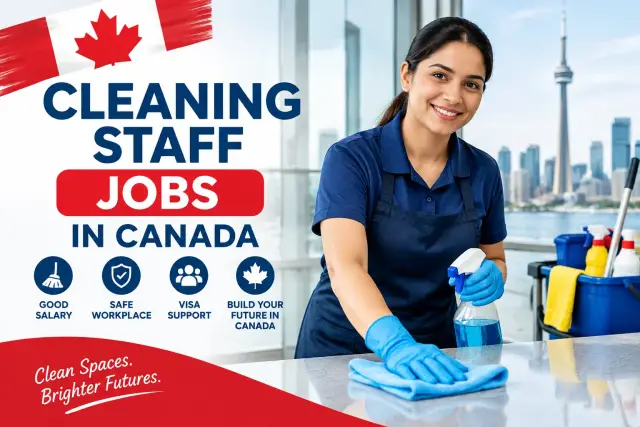
Cleaning Staff Jobs in Canada: A Practical Guide
Cleaning staff jobs keep offices, hotels, hospitals, schools and homes safe and comfortable. If you're looking for work in Canada, cleaning can be a practical place to start: many employers provide on-the-job training, and opportunities are available in cities and smaller communities.
That said, not every cleaning job is the same. A hotel housekeeper's day can look very different from a hospital cleaner's shift or an office janitor's evening schedule. Here's what to know about duties, pay, requirements and finding a job that suits you.
What Do Cleaning Staff Do?
Cleaning staff maintain indoor and sometimes outdoor spaces. Their work can include daily tidying, deeper cleaning and reporting safety or maintenance issues. The exact duties depend on the workplace and the employer.
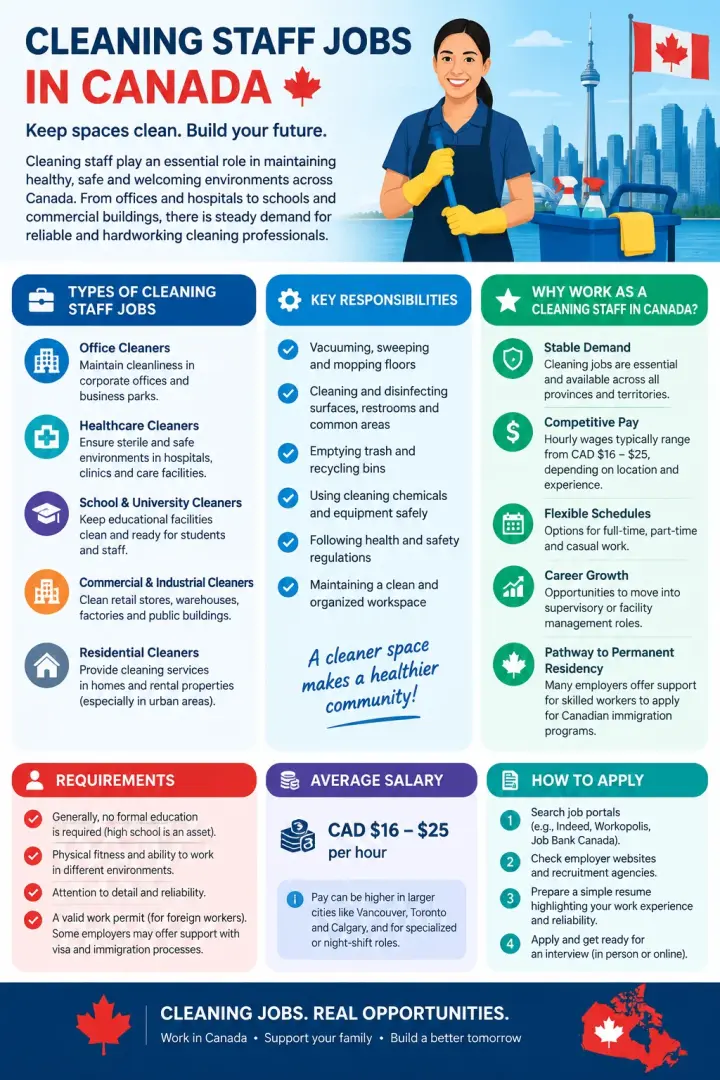
Common responsibilities include:
- Sweeping, vacuuming and mopping floors
- Dusting furniture, shelves and surfaces
- Cleaning and disinfecting bathrooms and kitchens
- Emptying garbage and replacing bin liners
- Restocking soap, paper towels and other supplies
- Changing bed linens and making beds in hotels
- Using cleaning products and equipment safely
- Reporting damaged items, spills or other hazards
Some roles also involve moving furniture, washing windows, operating floor-care machines or working outdoors. Check the job description carefully so you know what the physical demands and schedule will be.
Types of Cleaning Jobs in Canada
Commercial and Office Cleaners
Commercial cleaners look after offices, shops, warehouses and other business premises. Duties often include cleaning washrooms, floors, desks and shared areas. Since many businesses prefer cleaning outside normal office hours, evening and overnight shifts are common.
Hotel Housekeepers
Hotel housekeepers clean guest rooms, change linens, replenish supplies and prepare rooms for arriving guests. The work can be fast-paced, particularly during busy travel seasons. Weekend and holiday shifts are common, and some jobs are seasonal.
Residential Cleaners
Residential cleaners work in private homes, either for a cleaning company or directly for clients. They may clean kitchens and bathrooms, dust, vacuum, mop and change linens. A driver's licence or access to transportation can be useful when a job involves visiting several homes in one day.
Hospital and Healthcare Cleaners
Healthcare cleaners help maintain hospitals, long-term care homes and clinics. These jobs may involve extra training in infection prevention, protective equipment and safe handling of cleaning products. Employers may also ask for background checks or proof that certain health requirements are met.
Janitors and Custodians
Janitors and custodians often work in schools, apartment buildings and other facilities. Along with cleaning, they may monitor supplies, handle minor maintenance tasks or report problems with the building. Some positions require experience with floor machines or other equipment.
Industrial and Specialized Cleaners
Specialized cleaners may work at construction sites, factories or other demanding locations. Depending on the job, they might need training for particular equipment, working at heights or handling hazardous materials. Don't assume a basic cleaning job and a specialized one have the same requirements.
Cleaning Staff Salary in Canada
Pay varies by province or territory, employer, experience and type of work. As a rough starting point, some cleaning jobs advertise hourly wages in the high teens to mid-$20s in Canadian dollars. Specialized, supervisory or unionized positions may pay more. Actual offers can fall outside that range.
When comparing jobs, look beyond the hourly rate. Ask about guaranteed hours, overtime, paid vacation, benefits, shift premiums and whether travel between work sites is paid. A slightly higher hourly rate doesn't always make up for an unpredictable schedule or long unpaid travel time.
Most employees are covered by minimum wage rules, but rates and employment standards vary by jurisdiction and can change. Check the official employment standards website for your province or territory. For current wage estimates by occupation and location, use the Government of Canada's Job Bank wage search.
Requirements for Cleaning Jobs
Many entry-level cleaning jobs don't require a degree or previous professional experience. Employers often care more about reliability, attention to detail and the ability to follow instructions. Some will train new hires on products, equipment and workplace procedures.
Depending on the position, you may need:
- Legal authorization to work in Canada
- The ability to stand, bend, lift or perform repetitive tasks
- Basic English or French communication skills, depending on the workplace
- Experience using cleaning equipment or following safety procedures
- A background check, especially for some schools, healthcare facilities or private homes
- A driver's licence if the job involves travelling between sites
Not every employer asks for all of these. Read the posting and ask questions if a requirement is unclear. If you need a workplace accommodation, you can discuss the process with the employer.
Safety Training and WHMIS
Cleaning products can cause harm if they're mixed, stored or used incorrectly. Employers may provide Workplace Hazardous Materials Information System, or WHMIS, training when workers use hazardous products. You should also be shown how to use required protective equipment and where to find product safety information.
Never mix cleaning chemicals unless the product instructions and your employer's procedures specifically say it's safe. If you're unsure about a product or task, ask your supervisor before starting.
Where to Find Cleaning Staff Jobs
There are several ways to find cleaning jobs in Canada. Start with a few sources rather than relying on just one:
- Government of Canada Job Bank: Search by job title and location, and compare wages and requirements.
- Employer websites: Check the careers pages of hotels, hospitals, school boards, universities and cleaning companies.
- Local job boards: Look for full-time, part-time, casual and seasonal postings in your area.
- Staffing agencies: Some agencies recruit for temporary or permanent cleaning and facilities roles.
- Community employment centres: These can help with job searches, résumés and interview preparation.
- Personal contacts: Let people know you're looking; local businesses sometimes hire through referrals.
Try searching for more than one job title. Useful terms include “cleaner,” “housekeeper,” “janitor,” “custodian,” “room attendant” and “environmental services worker.” Add your city or province to narrow the results. For occupational research, Job Bank also uses National Occupational Classification categories, such as NOC 65310 for light duty cleaners.
How to Apply for a Cleaning Job
1. Make Your Résumé Relevant
Keep your résumé clear and focused. Include your contact information, recent work history, relevant training and the skills that match the posting. If you've worked in retail, hospitality, food service or another hands-on role, mention tasks that show reliability, time management and attention to cleanliness.
Even without paid cleaning experience, you can include relevant volunteer work or responsibilities you've handled elsewhere. Be honest about what you've done; you don't need to claim experience you don't have.
2. Match Your Application to the Posting
Use the employer's job title and highlight the duties you can perform. For example, if a hotel is looking for someone who can work weekends and manage room turnover, mention your availability and any relevant experience. If you're applying to a hospital, include applicable safety or infection-prevention training.
3. Prepare for the Interview
An employer might ask how you'd prioritize tasks, handle a spill or respond if you found a valuable item while cleaning. Be ready to explain how you follow instructions and work safely. It's also a good idea to bring questions of your own.
Here are a few worth asking:
- What are the regular hours, and how much notice is given for shifts?
- Is the position permanent, temporary, seasonal or casual?
- What training and protective equipment are provided?
- Will I work at one location or travel between sites?
- Are there opportunities for additional hours or advancement?
Full-Time, Part-Time and Seasonal Work
Cleaning jobs can offer a range of schedules. Part-time work may suit someone balancing school, family or another job. Full-time roles may offer steadier hours, though benefits depend on the employer and position.
Seasonal work is common in tourism areas, particularly at hotels and resorts. Before accepting an offer, confirm when the job starts and ends, how many hours you can expect, and whether accommodation is included or deducted from your pay. Get those details in writing when possible.
Can Foreign Workers Apply for Cleaning Jobs in Canada?
Foreign nationals may be able to work in Canada if they have the appropriate authorization. The rules depend on the person's circumstances and the job. Some employers may hire through programs that require additional steps, such as a Labour Market Impact Assessment, while other situations have different requirements or exemptions.
A job offer does not automatically give you permission to work or guarantee permanent residence. Before paying for travel or making plans, check the latest requirements with Immigration, Refugees and Citizenship Canada. If you use an immigration representative, make sure they're authorized to provide paid advice.
Watch for Job Scams
Be cautious if someone promises a guaranteed visa, pressures you to pay upfront for a job, or asks for sensitive documents before you've verified the employer. Check the company's contact details independently and be wary of offers that sound much better than similar local jobs. Recruitment fee rules vary across Canada, so check the rules that apply where you would work.
Skills That Can Help You Get Hired
Cleaning is practical work, but it also takes organization and good judgment. These skills can make an application stronger:
- Attention to detail: Noticing missed surfaces, empty dispensers and other small issues.
- Time management: Completing assigned tasks without cutting corners on safety.
- Communication: Understanding instructions and reporting problems promptly.
- Reliability: Showing up on time and following the agreed schedule.
- Physical stamina: Handling the movement and repetitive tasks a role requires.
- Discretion: Respecting privacy when working in homes, guest rooms or offices.
Honestly, a willingness to learn matters too. Different workplaces have different standards, and a good employer should explain how the work needs to be done.
Career Growth in Cleaning and Facilities
An entry-level cleaning position can lead to other opportunities. With experience, you might become a team lead, housekeeping supervisor or facilities coordinator. Some workers move into specialized cleaning, building maintenance or management after gaining the required training and experience.
If advancement matters to you, ask about it during the hiring process. Find out whether the employer provides training, promotes from within or offers a path to supervisory work.
Frequently Asked Questions
Do I need experience to get a cleaning job in Canada?
Not always. Many entry-level employers provide training. Experience can help, especially for specialized, healthcare or supervisory roles, but it's worth applying when you meet the main requirements and are willing to learn.
Are cleaning jobs available without a degree?
Yes. Many cleaning positions don't require a college or university degree. Certain employers may ask for specific safety training, certifications or a secondary school diploma, so check each posting.
Are cleaning staff jobs physically demanding?
They can be. Many roles involve standing, walking, bending, lifting and repetitive movements. Ask about lifting expectations, equipment and the pace of work before accepting a position.
Can I find cleaning work with flexible hours?
Sometimes. Evening, overnight, weekend, part-time and casual shifts are available in many settings. Flexibility varies by employer, though, so confirm the actual schedule rather than assuming you can choose your hours.
What's the best way to compare cleaning jobs?
Compare hourly pay alongside expected hours, location, travel, benefits, training and physical demands. A good fit is about more than the wage: knowing what your day will look like can help you choose a role you can stick with.
Whether you're looking for your first job, a career change or a flexible schedule, start with current local postings and apply to roles that match your availability and skills. A clear résumé, honest answers and a few good questions can go a long way.