

So you're thinking about restaurant jobs in the UK
From what I've seen over the years, getting into restaurant work here isn't some glamorous thing like TV makes it. It's busy, messy at times, and you gotta hustle. But the pay can be decent once you find the right spot.
Thing is, London is where most opportunities pop up. Think waiter roles, kitchen porters, even head chef positions if you've got the experience. But smaller towns have their spots too.
What kinds of jobs are out there right now
Waitstaff is always in demand. Bars need bartenders who know their cocktails. Kitchens are crying out for line cooks and dishwashers especially during peak seasons. And don't forget front of house managers if you've got people skills.
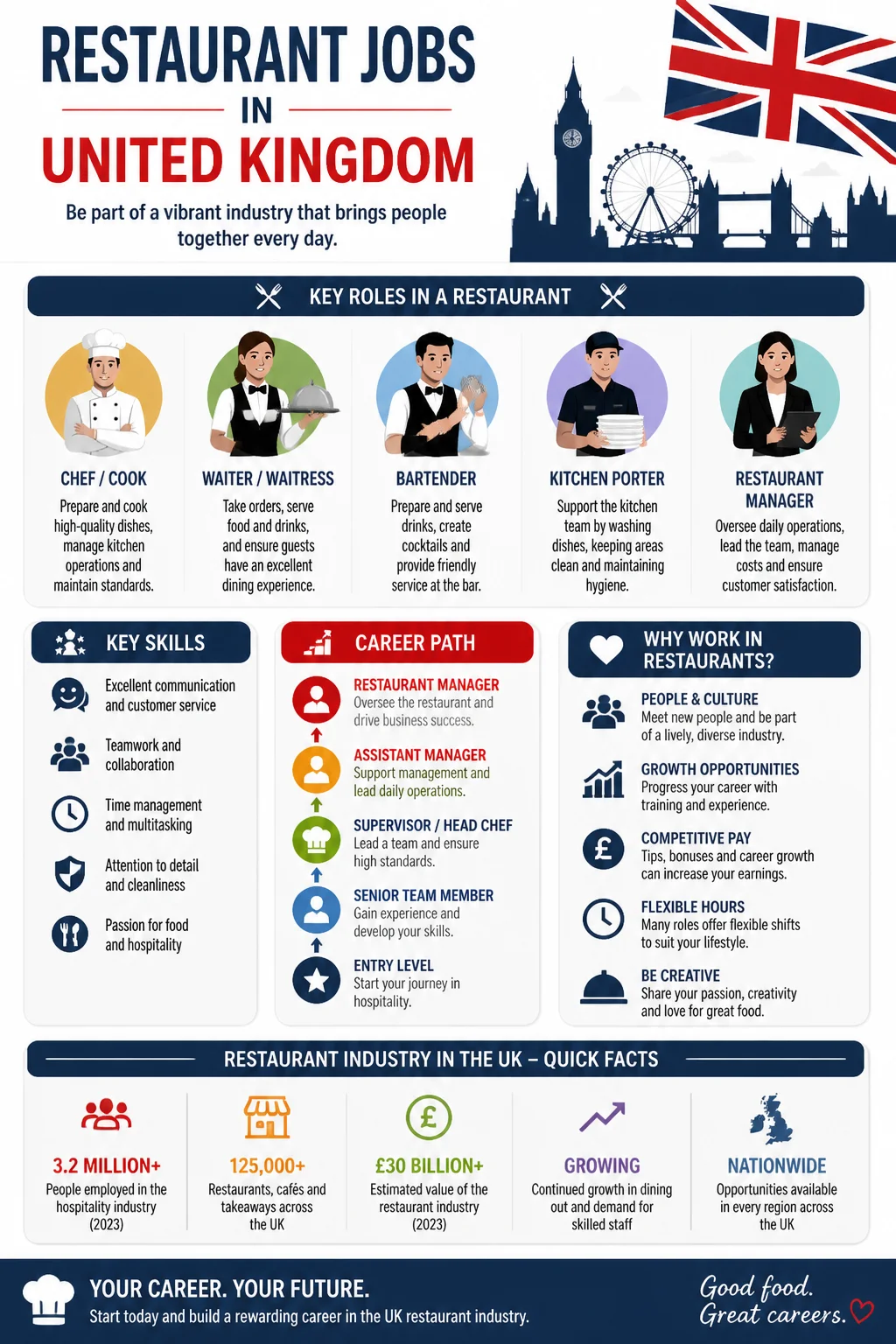
Honestly speaking, I've known folks who started as servers and moved up quick. Others stick with part time shifts around studies or other gigs.
Pay varies wildly though. Minimum wage is the baseline but tips make a real difference in busy places. Some spots in tourist areas pay better.
Finding the right gig without the hassle
Job sites are obvious starting points. But word of mouth still works wonders in this industry. Ask around at places you like eating at. Managers often know when someone's leaving.
LinkedIn gets used more than you'd expect for hospitality now. And local Facebook groups for restaurant staff in cities like Manchester or Edinburgh can have quick leads.
Agencies are another route if you want something fast. They handle the paperwork sometimes.
Visas and rules for non UK folks
This bit matters a lot. If you're from outside the UK or EU, sponsored visas are key for most restaurant roles. Skilled worker visas cover chefs usually. But entry level jobs might not qualify easily.
Check the latest government sites before applying anywhere. Rules change.
Big difference between having the right paperwork and scrambling later.
I've seen people turn down good offers because of visa issues.
Day to day reality in UK restaurants
Shifts can be long. Evenings and weekends are normal. But some places offer split shifts or more flexible hours now.
Teamwork is everything. You can't slack or the whole service falls apart. That pressure builds fast during dinner rush.
Food safety training is usually required. Get your certificates sorted early.
Not great if you hate being on your feet all day. But the energy in a good kitchen keeps it interesting.
Pay and benefits to expect
Entry level often starts around national minimum. With experience and tips, you can push higher. London adds extra because of costs.
Some chains offer staff meals and discounts. Others have better holiday packages.
Negotiate where you can once you prove yourself.
Real talk though, it's not gonna make you rich fast unless you climb to management.
Tips from people already doing it
Build a simple CV focused on any customer service or food experience. Even bar work counts.
Show up prepared for trials. That's how most places test you out.
Learn the menu before your first shift. Makes a huge difference.
Stay friendly with regulars. They tip better and remember you.
Keep an eye on reviews of the place online too. Toxic kitchens aren't worth it.
Networking at events or through old colleagues leads to better moves sometimes.