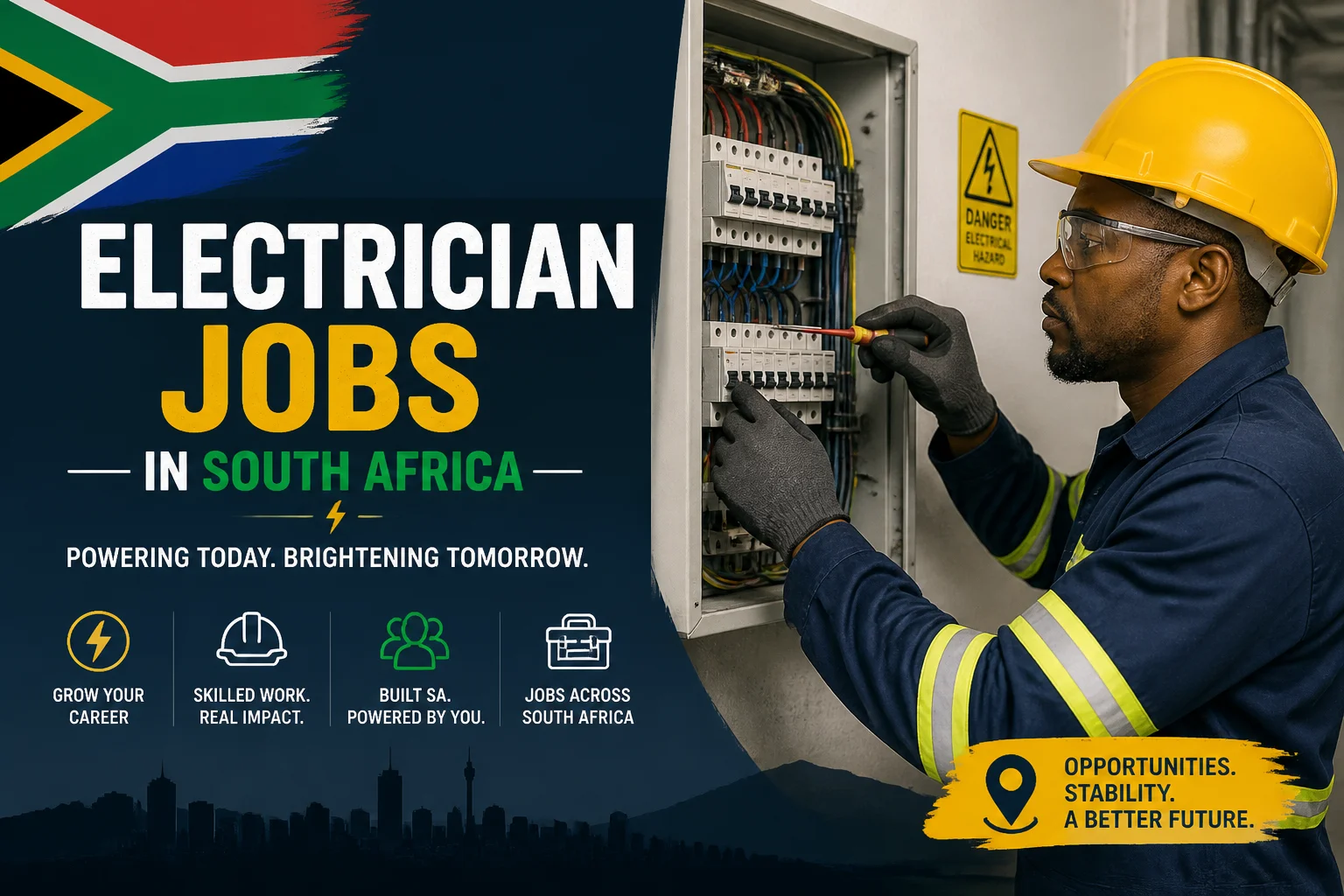

Electrician jobs in South Africa have been steady for years now, but things feel different lately depending on where you look. Some cities are booming with new builds while others lean heavy on maintenance work.
Day to day reality of the trade here
From what I've seen, most electricians end up doing a mix of residential call-outs and commercial fixes. One week you're wiring a new house in the suburbs, the next you're troubleshooting panels at a factory that keeps tripping breakers. It's rarely glamorous, and you deal with loadshedding fallout constantly.
Hours can stretch when something goes wrong on site. But the upside is you usually finish and head home once the job's done, unlike office roles that bleed into evenings.
Qualifications that actually matter
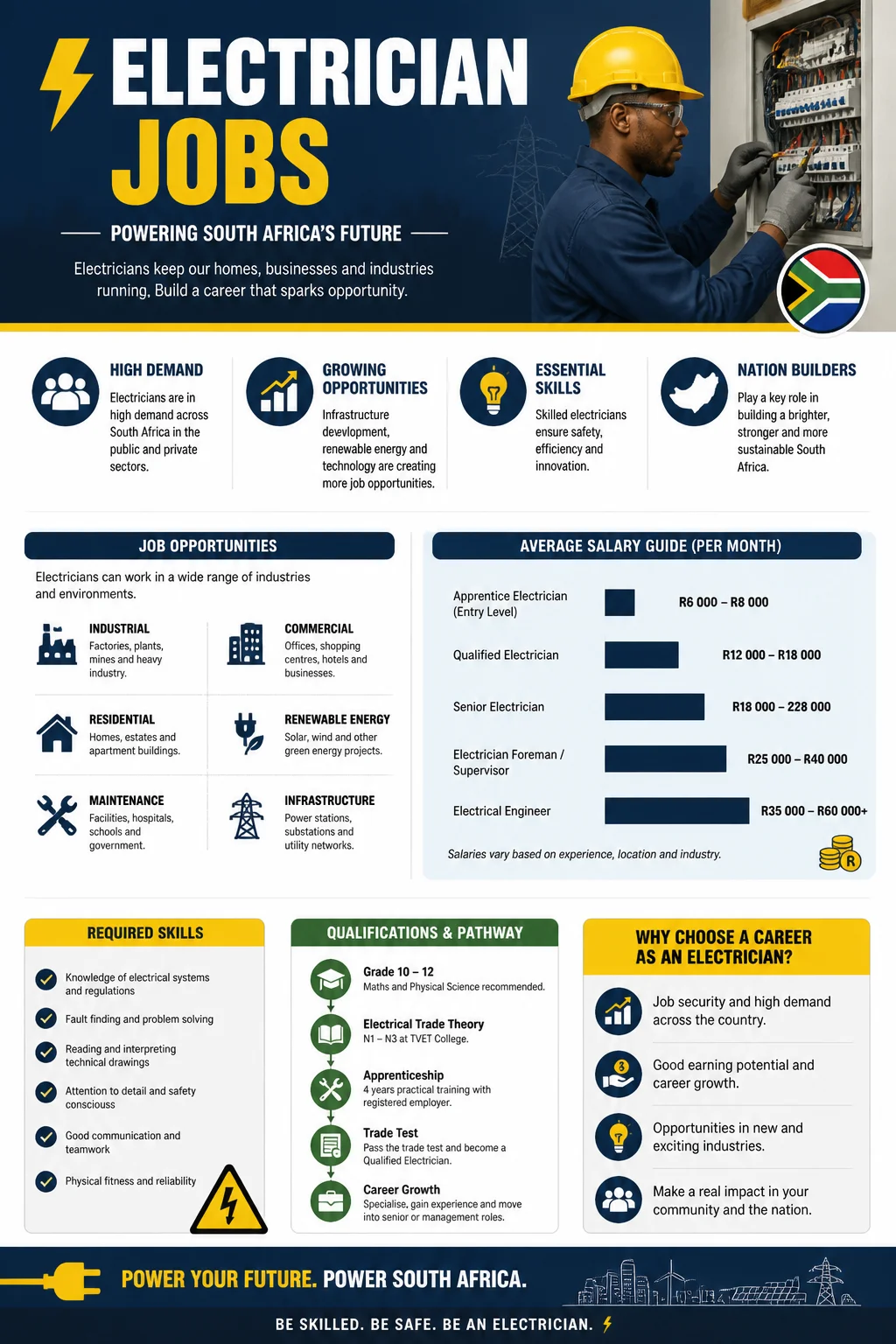
You need a proper trade test after your apprenticeship. Some guys start with a N1 or N2 certificate and build from there. In my experience the real learning happens on the job once you're paired with someone who's been doing it for ten years or more.
Without that red seal ticket, doors stay closed on better paying contracts. Companies won't touch you for certain industrial work otherwise.
Where the work actually is
Johannesburg and Cape Town still pull the most listings month after month. Durban has its moments too, especially around port and logistics upgrades. Smaller towns often need sparkies for solar installs these days because of the power issues.
- Construction sites keep hiring for new housing projects
- Mining and manufacturing need maintenance crews
- Renewable energy firms are growing fast
Thing is, the big contractors post openings through agencies more than anywhere else. Checking online boards helps but word of mouth still gets people in faster.
Money side of things
Entry level pay starts lower than people expect, especially while you're still an apprentice. Once qualified, rates jump and you can clear decent money with overtime or your own side jobs on weekends. Location changes the numbers quite a bit too.
Not gonna lie, benefits packages vary wildly between big firms and smaller outfits. Some include tools and transport, others leave that on you.
How to actually land the gigs
Build a simple portfolio of jobs you've done, even the small ones. Photos of completed panels or rewires go a long way when you're chatting to a hiring manager. Networking at trade suppliers or through old colleagues tends to beat cold applications every time.
Keep your CV short and list specific skills like fault finding or solar tie-ins. Vague statements don't cut it when they're skimming dozens of them.