

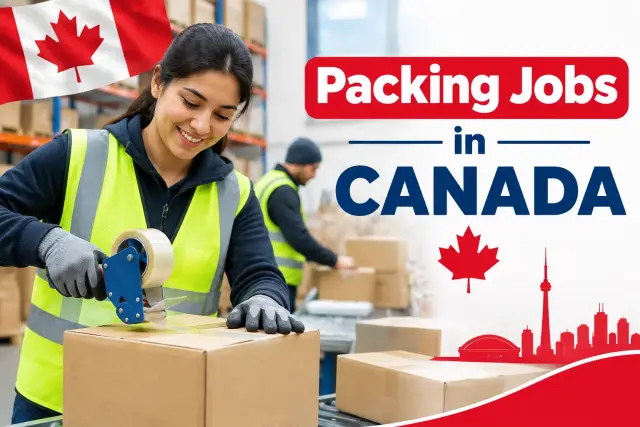
Packing Jobs in Canada: What to Know Before You Apply
Packing jobs can be a practical way to get started in a warehouse, food plant, factory or distribution centre. Many employers provide on-the-job training, and some positions don't require previous experience. Others call for specific skills, such as operating packing machinery or working with food products.
If you're looking for packing jobs in Canada, it helps to know what the work involves, where to find openings and what to check before accepting an offer. This guide covers the basics for first-time applicants and experienced workers alike.
What Are Packing Jobs?
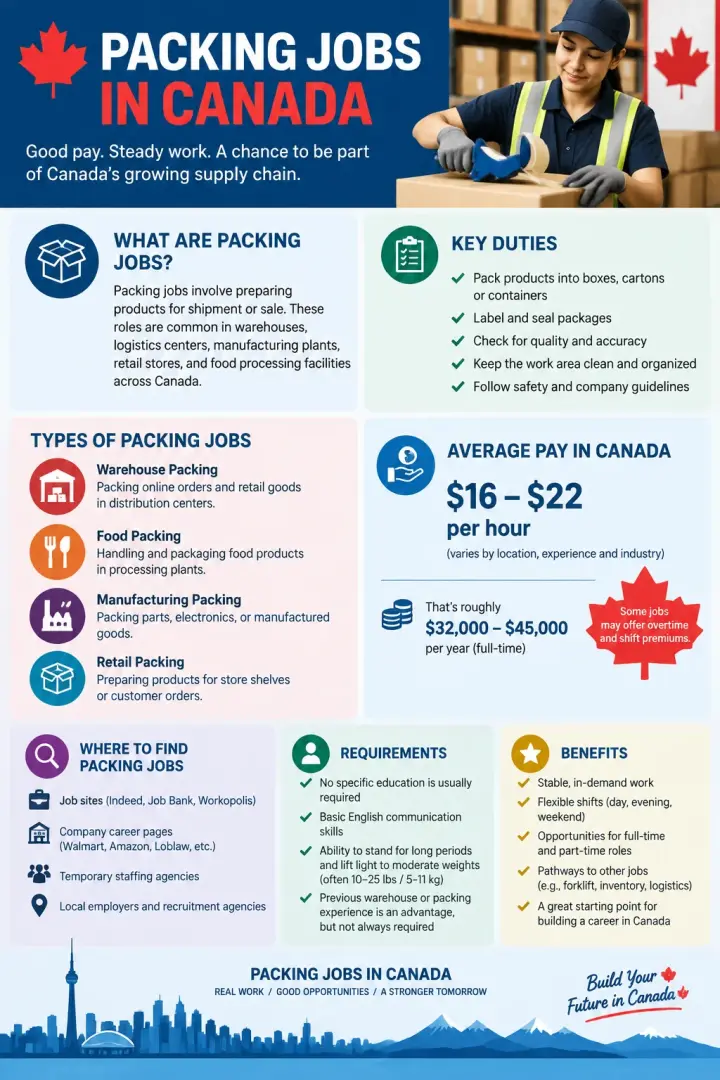
Packing jobs involve preparing products for storage, shipping or sale. Depending on the workplace, you might pack online orders, label food containers, check manufactured goods or get pallets ready for a truck.
Some roles focus mostly on packing. Others combine packing with picking items from shelves, receiving stock, cleaning equipment or updating inventory records. Job titles can be a little misleading, so read the duties rather than relying on the title alone.
Common packing job titles
- Packer or packaging associate
- Warehouse packer or warehouse associate
- Order picker and packer
- Food packer or food production worker
- Production line worker
- Shipping and receiving associate
- Packaging machine operator
A machine operator may need more training than an entry-level hand packer. A shipping role, meanwhile, could involve paperwork and inventory systems as well as physical work.
What Does a Packer Do?
The day-to-day tasks depend on the employer, but a packing job often includes some combination of the following:
- Picking products and checking them against an order
- Placing items in boxes, bags, trays or other packaging
- Inspecting products for damage or obvious defects
- Weighing packages and applying labels
- Sealing boxes and preparing them for shipment
- Using scanners or basic inventory software
- Moving goods by hand or with approved equipment
- Keeping the work area clean and following safety procedures
In a food facility, hygiene rules are especially important. You may need to wear a hairnet, gloves or other protective equipment, and follow instructions about allergens and cleaning. In an e-commerce warehouse, speed and order accuracy may be a bigger part of the job.
Types of Packing Jobs in Canada
Warehouse packing jobs
Warehouse packers prepare orders for customers, stores or other businesses. The work may include scanning barcodes, choosing the right box size and making sure fragile goods are protected. Some warehouses operate evenings, nights and weekends, which can be useful if you need a shift outside regular office hours.
Food packing jobs
Food packers work with products such as baked goods, meat, produce or packaged snacks. Some roles take place in refrigerated areas, while others are on production lines. Employers may provide food-safety training, although certain jobs may ask for relevant experience or a certificate.
Factory and manufacturing jobs
Manufacturers hire packers to inspect, wrap and box finished goods. You might work alongside machine operators or help prepare products for shipment. These jobs can involve repetitive tasks, so it's worth asking about the pace of the line and how breaks are scheduled.
Seasonal and temporary packing jobs
Businesses may hire extra packers during busy retail periods, harvests or other production peaks. Temporary work can help you gain experience, but check the expected end date and whether hours are guaranteed. Some seasonal positions may lead to longer-term work; that's a possibility, not a promise.
How Much Do Packing Jobs Pay in Canada?
Pay varies by province or territory, employer, shift and the type of work. A basic hand-packing role may pay differently from a job that requires machine operation, specialized food handling or previous warehouse experience. Night shifts sometimes offer a premium, but not every employer pays one.
To get a realistic figure for your area, check current postings and the Government of Canada's Job Bank wage information. Compare jobs in the same location and read the full description: a higher hourly rate may come with different hours, duties or physical demands.
Before accepting an offer, ask about the hourly rate, pay schedule, expected hours, overtime rules, vacation pay and any benefits. Minimum wage and overtime requirements depend on the applicable jurisdiction, so check the current employment standards for the province or territory where you'll work.
Skills and Requirements for Packing Jobs
Many entry-level packing jobs don't require a college degree. Employers may ask for a high school diploma, though requirements vary. Some are happy to train reliable applicants who can follow instructions and work safely.
Useful skills include:
- Attention to detail: Checking quantities, labels and product condition helps prevent mistakes.
- Reliability: Showing up on time matters when a team works to a shipping or production schedule.
- Communication: You'll need to understand instructions and report problems or hazards.
- Physical readiness: Some jobs involve standing, bending or lifting for much of a shift.
- Basic technology skills: Scanners, tablets and inventory systems are common in warehouses.
- Teamwork: Packers often work closely with pickers, machine operators and supervisors.
Check the listing for specific lifting requirements and shift times. If it isn't clear whether equipment or team lifting is available, ask. Honestly, understanding the physical side of the job is just as important as knowing the hourly wage.
Where to Find Packing Jobs in Canada
Start with Job Bank, employer career pages and established Canadian job boards. Search for both the job title and your city or region. Staffing agencies can also connect applicants with temporary and permanent warehouse or production roles.
Try searches such as:
- packing jobs in Canada
- warehouse packer jobs near me
- food packaging jobs in Toronto
- entry-level packing jobs in Calgary
- picker packer jobs in Vancouver
- production packer jobs in Montreal
Adjust the location and keywords to match your situation. Job titles vary, so searching for “warehouse associate” or “production worker” may uncover openings that don't use the word “packer.” In Quebec and some other workplaces, French may be required or preferred; the language requirements should be listed in the posting.
How to Apply for a Packing Job
1. Read the posting carefully
Check the location, shift, pay, duties and any mandatory requirements. Make sure you can get to the workplace at the scheduled time, especially for early-morning or overnight shifts when public transit may be limited.
2. Tailor your resume
Keep your resume clear and relevant. Include previous warehouse, retail, food service, cleaning, manufacturing or delivery experience if it shows useful skills. Even without a packing job on your resume, you can mention experience handling stock, following safety rules, working quickly or checking orders.
For example, instead of simply writing “worked in a store,” you could describe a task: “Received deliveries, checked quantities and restocked shelves.” Be accurate about what you did, and don't claim certifications or equipment experience you don't have.
3. Follow the application instructions
Some employers use an online form; others ask for a resume by email or through an agency. Submit the information requested and check your contact details. If you apply to several jobs, keep a short list of employers and roles so you're ready when someone calls.
4. Prepare for the interview
An interviewer may ask about your availability, ability to follow instructions and approach to repetitive work. You might also be asked how you'd handle a damaged product or an incorrect order. Give straightforward examples, and explain when you'd report a problem to a supervisor rather than guessing.
Questions to Ask Before You Accept
A job posting doesn't always tell the whole story. These questions can help you decide whether a role is a good fit:
- What are the regular shift hours, and can the schedule change?
- Is the position permanent, temporary or seasonal?
- What does the job normally involve lifting or moving?
- What training and protective equipment are provided?
- How is performance measured?
- Are there shift premiums, benefits or overtime opportunities?
- Is the workplace accessible by transit at the start and end of the shift?
It's also reasonable to ask for the offer and key terms in writing. Take time to review them rather than feeling pressured to say yes immediately.
Workplace Safety and Employee Rights
Packing work can involve moving equipment, repetitive motions, cold rooms or heavy loads. Employers should explain workplace hazards and provide the training required for the job. Follow the procedures you've been taught, use required protective equipment and report damaged equipment or unsafe conditions.
Rules about occupational health and safety, breaks and employment standards vary across Canada. Depending on the workplace, provincial, territorial or federal rules may apply. Workers have protections concerning unsafe work, including a right to refuse dangerous work under applicable rules. If you're unsure what applies, contact the relevant government employment standards or workplace safety authority.
Packing Jobs for Foreign Workers
Some Canadian employers recruit workers from outside Canada, but a packing job offer doesn't automatically give you permission to work. Most foreign nationals need a valid work permit or another authorization that allows them to work in Canada. Requirements depend on the person's circumstances and the program used.
Some employers may need a Labour Market Impact Assessment before hiring a temporary foreign worker, while other situations may be exempt. Check current guidance from Immigration, Refugees and Citizenship Canada and Employment and Social Development Canada before making plans. Rules and processing times can change.
Be cautious with anyone promising a guaranteed visa or asking for money in exchange for a job offer. Verify the employer through its official contact details, and check government information about legitimate recruitment practices. Don't send identity documents or banking details to an unverified contact.
Can a Packing Job Lead to Other Work?
It can. With experience and the right training, a packer might move into inventory control, shipping and receiving, quality checks, machine operation or team leadership. Some employers also train workers on equipment such as pallet jacks or forklifts. Training and opportunities vary, so ask about progression if it's important to you.
Whether you're looking for a first job, a seasonal role or a way into logistics, focus on the details that matter: a legitimate employer, a schedule you can manage, fair pay and work you can do safely. The best packing job isn't necessarily the one with the fastest start date; it's the one that fits your needs.
Frequently Asked Questions
Do I need experience to get a packing job in Canada?
Not always. Many employers offer entry-level roles and provide training. Previous experience can help, especially for specialized positions or jobs involving machinery.
Are packing jobs full-time or part-time?
Both are available. You'll also find temporary and seasonal openings. Check the posting for guaranteed hours and ask whether weekend or overtime work is expected.
Are packing jobs physically demanding?
Some are. You may stand for long periods, repeat the same movements or lift packages. The demands vary, so ask about the specific tasks and lifting requirements before accepting.
Can newcomers apply for packing jobs in Canada?
Yes, newcomers who are authorized to work can apply. Employers may have different language and experience requirements, so review each listing and confirm that your work authorization permits the job.