Heavy Equipment Welder
Company
Al Wahid Trading
Location
Ajman
Job Type
Full-time
Posted
4 days ago
Via
Trabajo.org
Apply On
Job Description
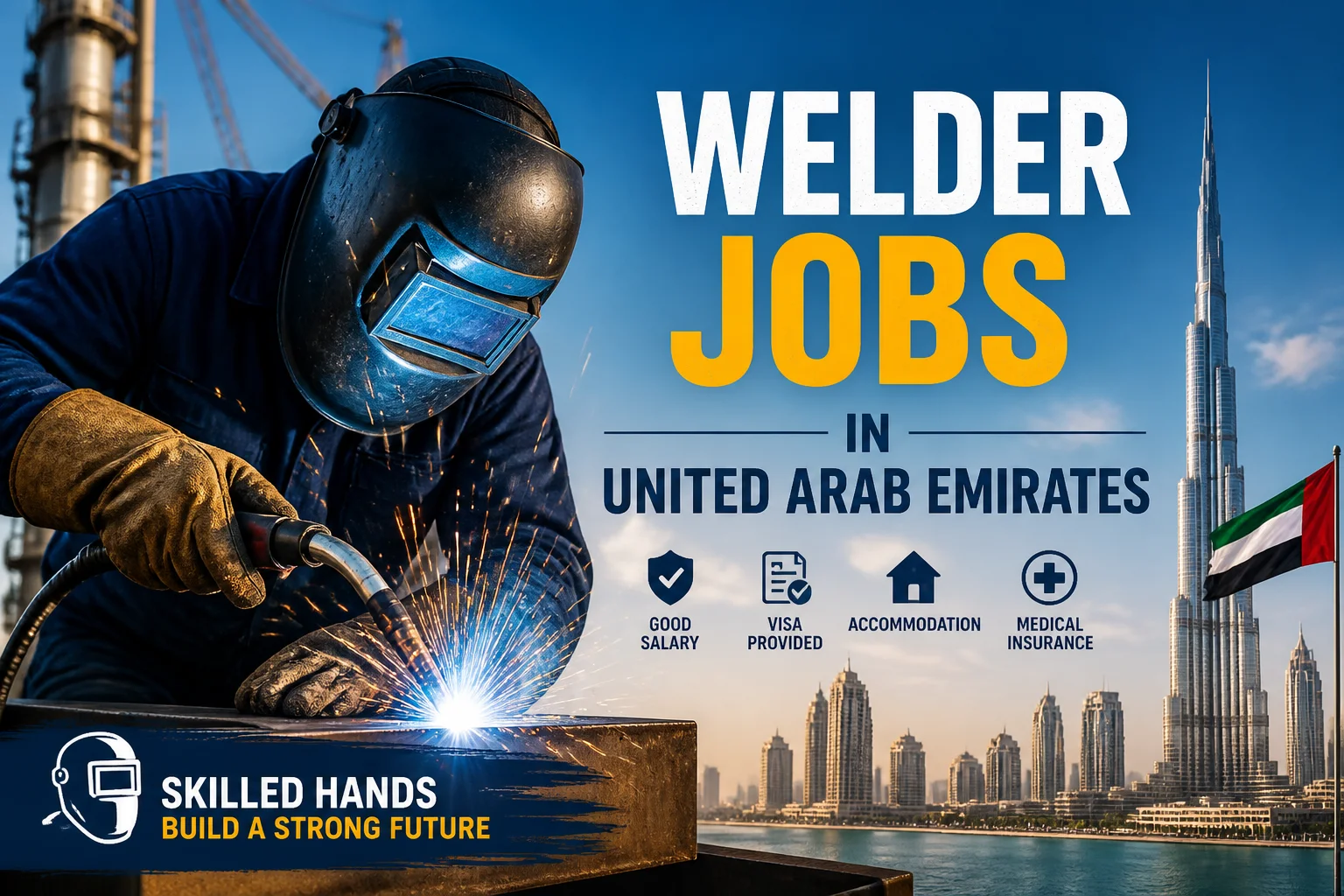
Becoming a **heavy equipment welder** combines the skills of welding with a specific focus on heavy machinery, which requires knowledge of large-scale equipment, structural components, and the ability to repair and fabricate parts used in construction, mining, or other heavy industries.
1. **Education**
- **Vocational or Trade School**: Many heavy equipment welders attend a vocational school where they can take courses in welding, blueprint reading, metallurgy, and safety procedures. These programs can last anywhere from 6 months to 2 years and often provide hands-on training with welding equipment and techniques.
2. **Welding**
- **Welding Procedures**: Certifications can cover specific processes for the welding of steel, aluminum, or other materials commonly used in heavy equipment construction.
3. **Experience**
- **Work Experience**: While formal education and certification are essential, gaining on-the-job experience is critical. Entry-level welders often start working in welding shops, or on construction sites, where they learn how to repair and fabricate heavy equipment parts under supervision.
4.
• *Skills Required**:
- **Welding Techniques**: Proficiency in welding methods (MIG, TIG, Stick, flux-cored welding, etc.) for joining metals, repairing, or fabricating heavy parts.
- **Knowledge of Heavy Equipment**: A solid understanding of how different machinery works and the common materials used in their construction.
- **Metalworking**: Understanding how to work with large metal parts, cutting, grinding, and shaping them to meet the required specifications.
- **Mechanical Aptitude**: The ability to troubleshoot mechanical issues and identify areas that need to be welded or repaired.
5. **Physical Requirements**
- **Stamina and Strength**: Welding on heavy equipment can be physically demanding. The work may require lifting heavy parts, working in awkward positions, and standing for long periods.
- **Manual Dexterity**: Precision is key, especially when welding parts that need to fit together perfectly or operate under high stress.
- **Vision**: Good vision and hand-eye coordination are critical to ensure clean, precise welds.
6. **Safety**
- **Understanding of Safety Protocols**: Welding can involve dangerous processes like exposure to heat, gases, and fumes. Heavy equipment welders must be knowledgeable about safety practices to protect themselves and others in the work environment.
- **PPE (Personal Protective Equipment)**: Welders need proper protective equipment, including welding helmets, gloves, jackets, and other gear to avoid injuries from sparks, heat, or UV exposure.
Any Nationality
• *Job Types**: Full-time, Permanent
1. **Education**
- **Vocational or Trade School**: Many heavy equipment welders attend a vocational school where they can take courses in welding, blueprint reading, metallurgy, and safety procedures. These programs can last anywhere from 6 months to 2 years and often provide hands-on training with welding equipment and techniques.
2. **Welding**
- **Welding Procedures**: Certifications can cover specific processes for the welding of steel, aluminum, or other materials commonly used in heavy equipment construction.
3. **Experience**
- **Work Experience**: While formal education and certification are essential, gaining on-the-job experience is critical. Entry-level welders often start working in welding shops, or on construction sites, where they learn how to repair and fabricate heavy equipment parts under supervision.
4.
• *Skills Required**:
- **Welding Techniques**: Proficiency in welding methods (MIG, TIG, Stick, flux-cored welding, etc.) for joining metals, repairing, or fabricating heavy parts.
- **Knowledge of Heavy Equipment**: A solid understanding of how different machinery works and the common materials used in their construction.
- **Metalworking**: Understanding how to work with large metal parts, cutting, grinding, and shaping them to meet the required specifications.
- **Mechanical Aptitude**: The ability to troubleshoot mechanical issues and identify areas that need to be welded or repaired.
5. **Physical Requirements**
- **Stamina and Strength**: Welding on heavy equipment can be physically demanding. The work may require lifting heavy parts, working in awkward positions, and standing for long periods.
- **Manual Dexterity**: Precision is key, especially when welding parts that need to fit together perfectly or operate under high stress.
- **Vision**: Good vision and hand-eye coordination are critical to ensure clean, precise welds.
6. **Safety**
- **Understanding of Safety Protocols**: Welding can involve dangerous processes like exposure to heat, gases, and fumes. Heavy equipment welders must be knowledgeable about safety practices to protect themselves and others in the work environment.
- **PPE (Personal Protective Equipment)**: Welders need proper protective equipment, including welding helmets, gloves, jackets, and other gear to avoid injuries from sparks, heat, or UV exposure.
Any Nationality
• *Job Types**: Full-time, Permanent
Frequently Asked Questions
Quick answers about Welder Jobs
What is the minimum wage for Welder Jobs in United Arab Emirates?
The Ministry of Human Resources and Emiratisation sets no statutory minimum wage for welders in the private sector as of 2026. Employers must pay at least AED 4,000 per month for skilled welders under standard work contracts registered with MoHRE. Overtime rates are fixed at 1.25 times the hourly rate for hours beyond 8 per day.
What visa and work permit requirements apply for international welders in UAE in 2026?
International welders require a work permit sponsored by a MoHRE-approved employer followed by a residence visa issued through ICP. The permit costs AED 300 for issuance and must be renewed every 2 years with a valid passport and medical fitness certificate. Quota-based approvals require the employer to maintain a 2:1 ratio of skilled expatriates to Emiratis in construction roles.
What education and experience are required to qualify for welder jobs in UAE?
MoHRE classifies welders as skilled workers requiring a minimum of 2 years documented experience plus a valid welding certification such as AWS or equivalent. Applicants must hold at least a secondary school certificate and pass a trade test conducted by approved centres before contract registration.
What documents are needed to apply for welder positions through official UAE channels?
Applications require a valid passport, attested educational certificates, experience letters, medical fitness report from a MoHRE-approved centre, and a no-objection certificate if changing employers. All documents must be submitted via the MoHRE e-services portal by 31 December 2026 for new contracts.