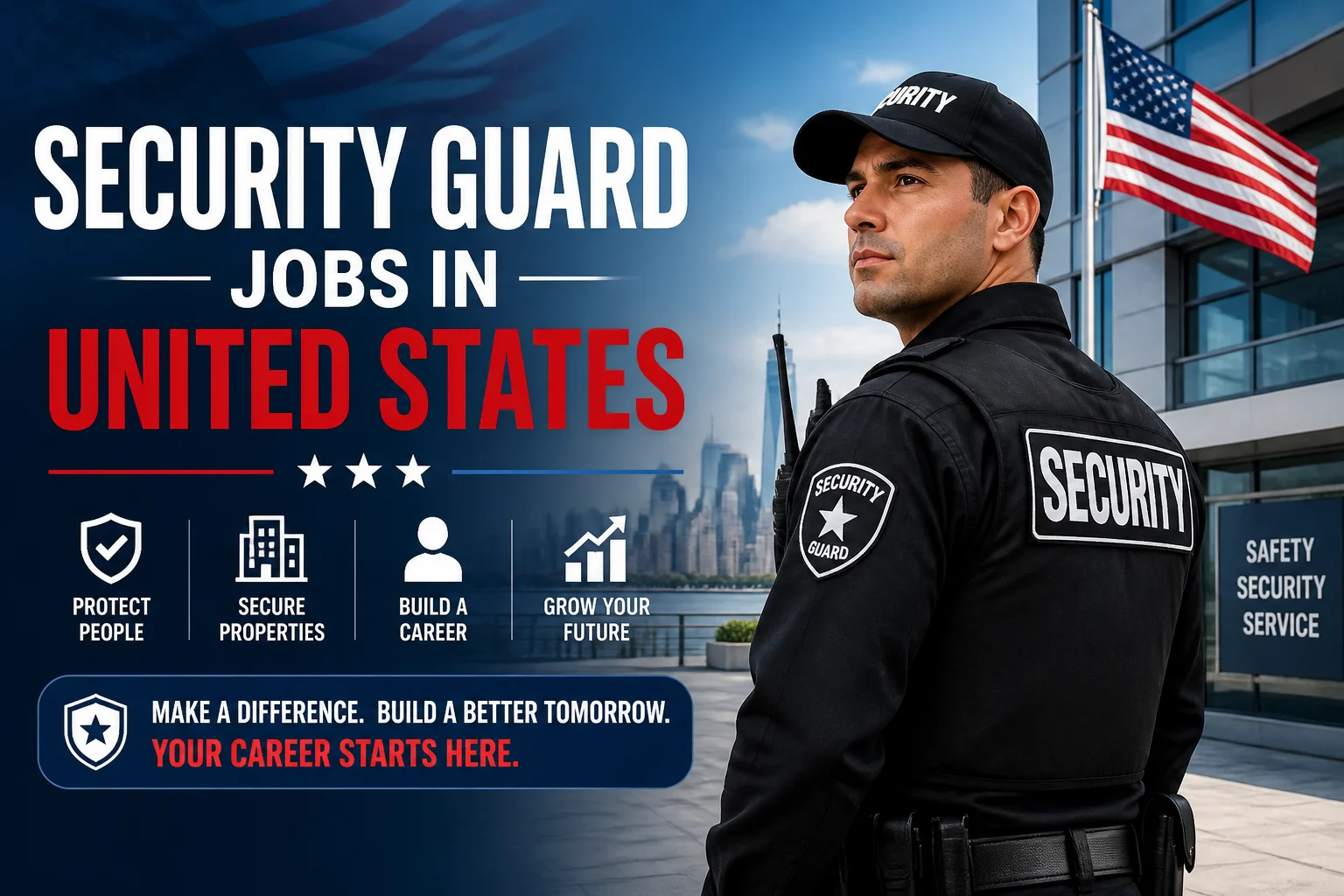

Look, security guard jobs in the United States aren't some glamorous gig but they pay the bills if you know what you're doing. From what I've seen working alongside folks in the field, it's steady work with decent hours once you land the right spot.
How I Got My First Security Role
Honestly speaking I started with zero experience. Just a clean background check and a willingness to stay awake during night shifts. The training was basic at first but it covered the stuff that actually matters like dealing with angry customers or spotting trouble before it blows up.
Thing is you don't need a fancy degree. Most places just want you reliable and able to follow rules.
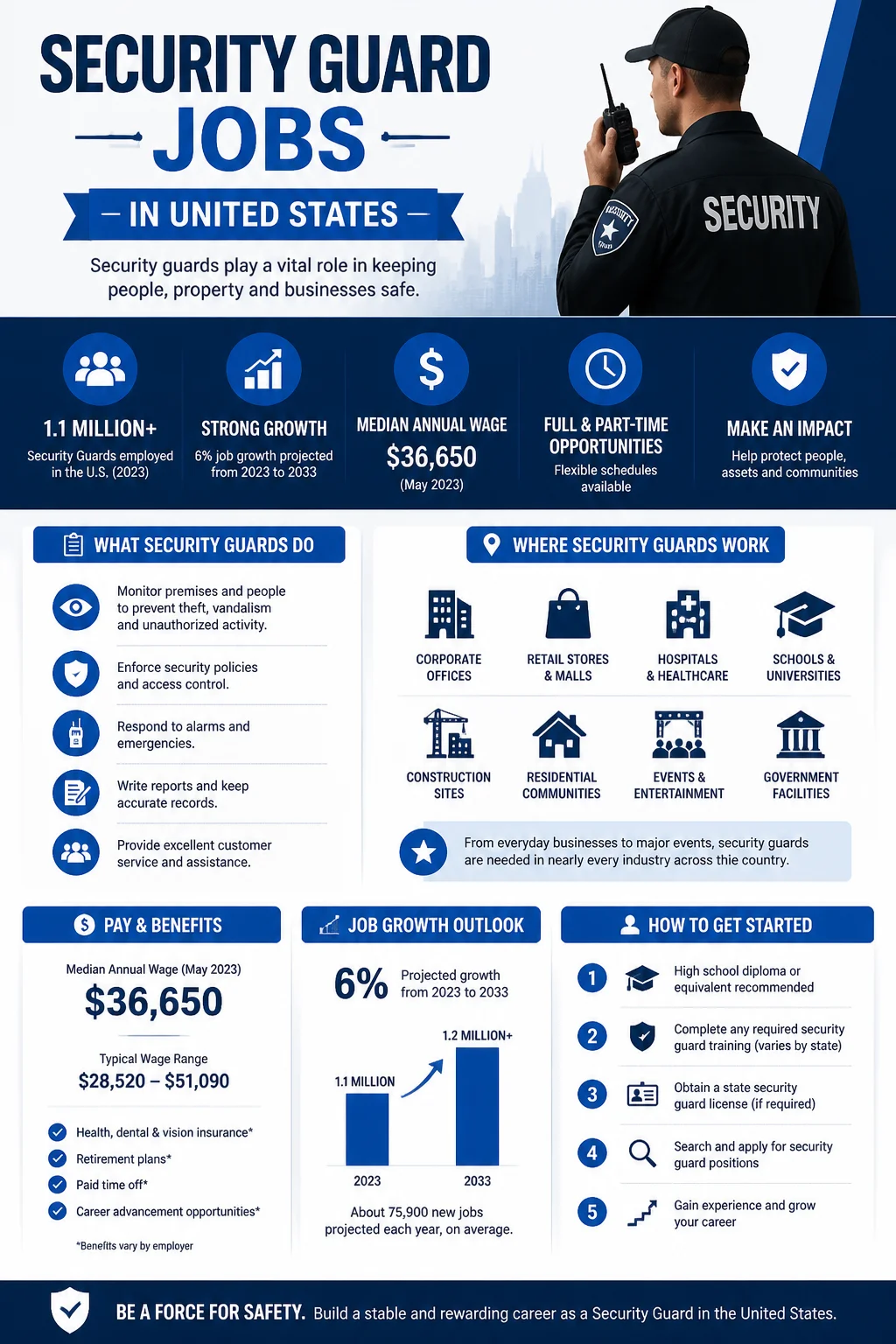
Pay Scales Across Different States
California gigs often start around twenty an hour especially in cities. But Texas can be lower at first though the cost of living helps balance it out. New York pays more but the competition is fierce and the shifts can drag on.
In my experience the sweet spots are places like Florida or Arizona where tourism keeps demand high without insane rent prices. And don't forget overtime. That adds up fast during events or holidays.
Real talk though benefits vary wildly by company. Some throw in health coverage right away. Others make you wait months.
Types of Work You Might Land
- Corporate buildings where it's mostly walking rounds and logging visitors
- Retail spots dealing with shoplifters and keeping an eye on crowds
- Construction sites that need someone overnight to stop theft
- Hospital security which gets intense with medical emergencies mixed in
I've done a couple of these and the hospital one was the most unpredictable. You never know what comes through the doors at 3am.
Getting Certified Without the Headache
Most states require a guard card. It's a short course plus fingerprinting. Costs a few hundred bucks total but you recoup it quick on your first paycheck. Some employers even pay for it upfront.
Look for online options if you're in a rush. They let you knock out the classroom part from home before the range or in-person test.
Big difference between armed and unarmed roles though. Armed pays better but you deal with extra liability and training hours. Not for everyone.
Daily Realities No One Mentions
Long stretches of boredom broken by sudden action. That's the job in a nutshell. You'll watch cameras, fill logs, maybe chat with the same coworkers night after night. Then boom a false alarm or a drunk person shows up.
Weather plays a part too if you're outside. I've stood in pouring rain and scorching sun. Bring layers and good boots.
Stress levels depend on the site. Quiet offices are easy but event security can wear you out mentally.
Landing Interviews That Actually Lead Somewhere
Apply through company sites rather than random boards. Tailor your resume to show any customer service or military background. Even retail experience helps prove you can handle people.
Show up on time for the interview. Sounds obvious but plenty don't. Dress neat but not overdressed. Jeans and a button up usually works fine.
Ask questions about the shifts and backup policies. Shows you're thinking long term.
Pros That Keep People Around
Flexible schedules for night owls or parents. Decent entry pay compared to fast food. And the chance to move into supervisor spots without college debt.
Some companies offer tuition help or gym discounts. Small perks but they add up.
Downsides include sitting too much or standing too much depending on the post. And dealing with the occasional rude person who thinks rules don't apply to them.
Where Things Are Headed
Technology is changing stuff with more cameras and apps for reporting. But human presence still matters for that personal touch when things go sideways.
From what I've seen demand stays solid especially in big cities and growing suburbs. If you stay clean and reliable you can build a solid career here.