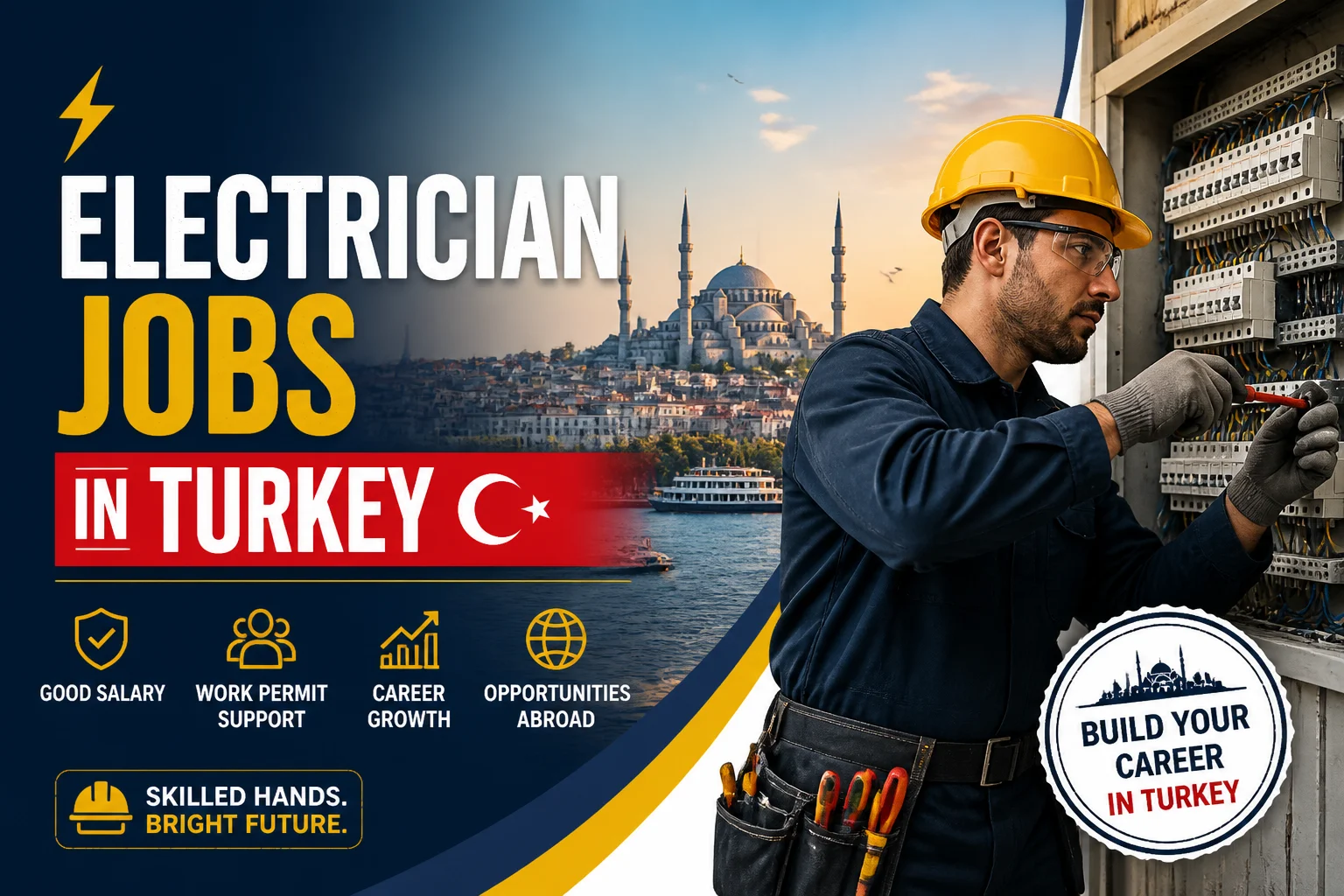

Getting into electrician work in Turkey ain't as hard as people make it
From what I've seen living here a bit, electrician jobs pop up all the time in the big cities and even smaller towns. Construction never really stops and old buildings always need rewiring. Thing is you gotta know where to look first.
How do you even start looking?
Honestly speaking most folks start with the usual spots like kariyer.net or indeed but those get flooded quick. Local Facebook groups for expats or trades work better sometimes. I found a couple leads just chatting with guys at the local hardware store one afternoon. Word spreads fast in this line.
And don't sleep on company websites either. The bigger firms post direct on their career pages. Pay attention to Istanbul and Ankara listings especially. They move faster than the rest.
- Check daily on the major job boards
- Join a couple trade groups on WhatsApp
- Talk to suppliers they hear everything
Big difference when you walk in with even basic Turkish. Not perfect needed but enough to understand safety stuff on site.
Pay and hours what to expect
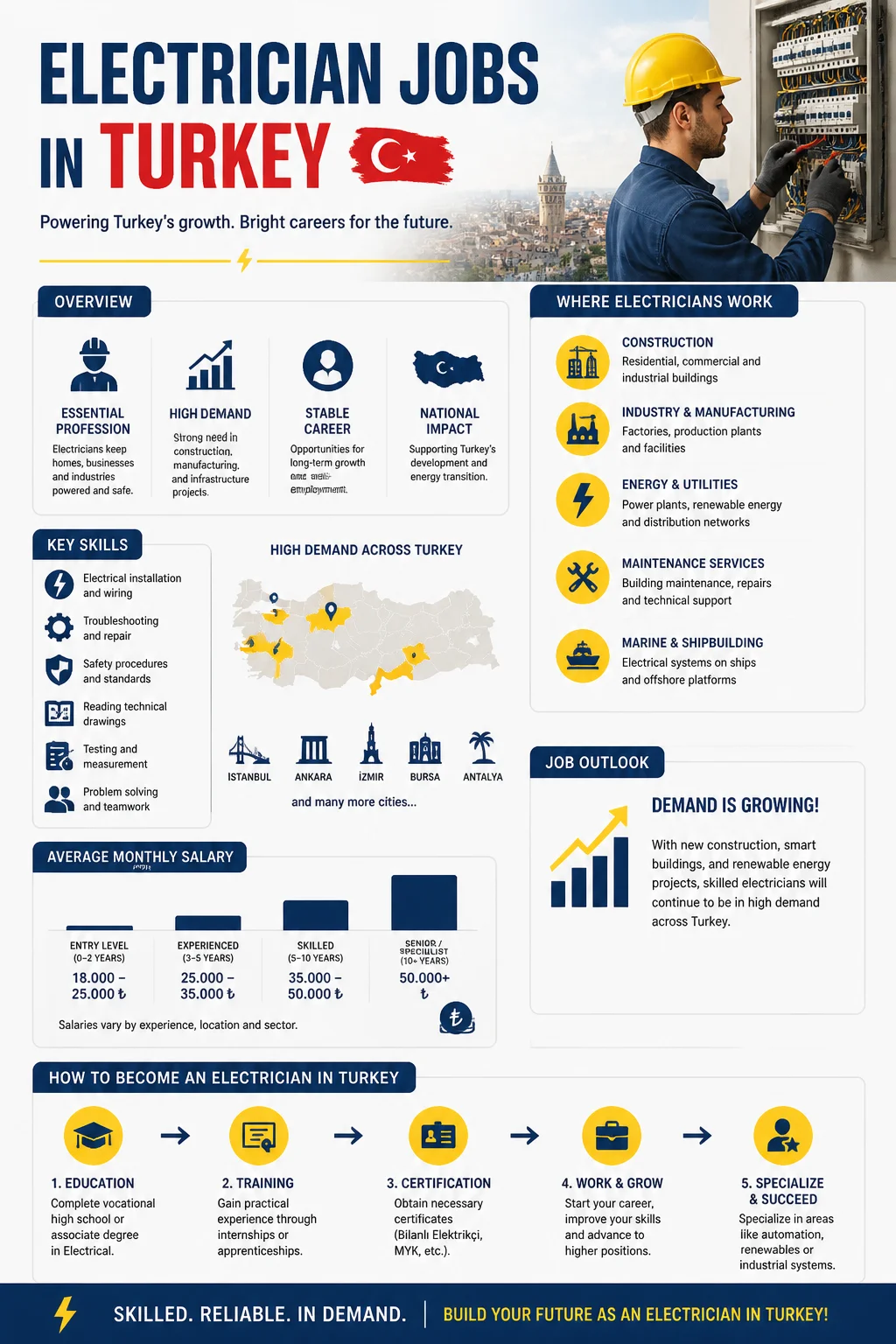
Entry level runs around 25k to 35k lira a month right now depending on the city. Experienced guys pull more like 50k plus overtime. Istanbul pays the best but rent eats it up fast. Smaller places like Izmir give you better living costs though.
Shifts can be long. Construction sites start early and sometimes run late when deadlines hit. But a lot of the maintenance gigs stay steadier nine to five type deals.
Not gonna lie the benefits vary wild. Some companies throw in health coverage and transport. Others just hand you the tools and that's it. Always ask straight up during interviews.
Paperwork and getting legal
If you're not Turkish already you need a work permit. The employer usually handles most of it but plan for a couple months of waiting. Electrician skills fall under skilled worker category so that helps approval odds.
Certifications from back home might transfer with some extra courses here. I know a guy who did a quick safety module at a local vocational school and that sealed it for him.
Look electrical code here follows European standards mostly so your existing knowledge carries over pretty well. Just brush up on the local plugs and voltage quirks.
Daily life on the job
It's physical work no question. Crawling through attics in summer heat or fixing panels in old basements during winter. But you get to move around instead of sitting at a desk all day. That part I like.
Teams are usually small and tight. You learn fast from the older guys. They share shortcuts that books never mention. Like how to handle certain building materials common in Turkish construction.
Safety comes first always. Sites can get chaotic if the crew skips corners. Good firms provide gear and training. Bad ones don't. Spot the difference before signing anything.
Exactly. One bad shock and you're out for weeks. Not worth it.
Where the opportunities sit right now
Renewable energy projects are growing. Solar installs especially around the south and west coasts. Those jobs pay a bit more and feel fresher than regular house calls.
Factory maintenance roles stay steady too. Manufacturing zones outside the cities always need reliable sparkies for machines. Less glamorous but solid hours.
Residential work keeps you busy year round with new builds and renovations. People upgrade kitchens and add AC units constantly. Side gigs on weekends if you want extra cash.
Here's the thing though competition from locals can be stiff in popular areas. Being flexible with location opens more doors quicker.
Tips that actually help
Build a simple portfolio even if it's just photos of past jobs on your phone. Show up ready. Turkish bosses respect that hands-on proof more than fancy resumes sometimes.
Network at supply shops or trade fairs. Casual chats turn into leads faster than online applications alone.
Learn the lingo for tools and parts. Makes you sound like you belong on day one.
Stay updated on new regs around energy efficiency. That stuff changes and clients ask about it now.
One more thing. Start with a short contract if possible. Test the waters before committing long term. Gives you an easy out if the vibe feels off.