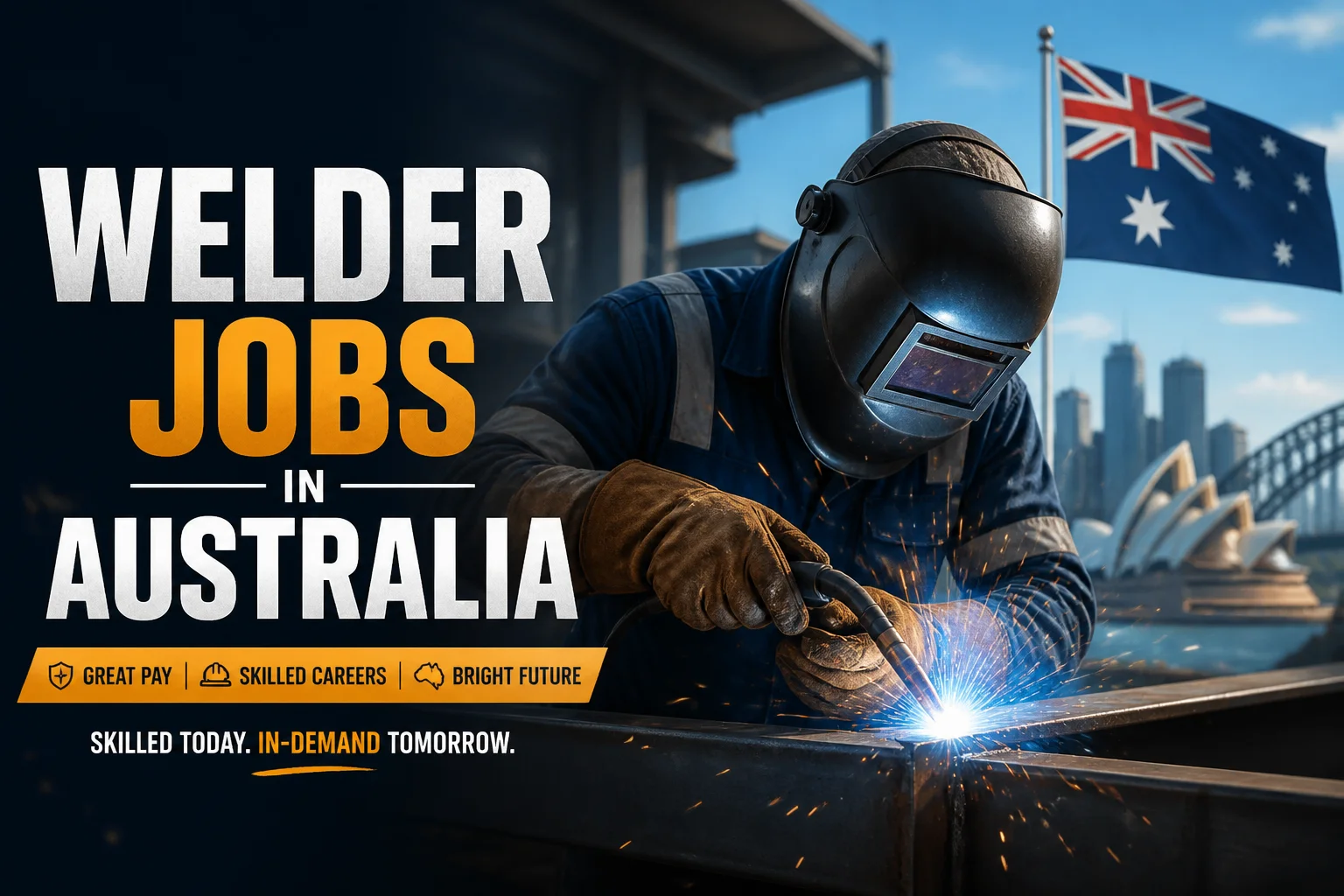

Getting into welder work here in Australia
Look if you're hunting welder jobs in Australia right now things can feel all over the place. From what I've seen plenty of folks jump in without knowing the real deal on pay or where the steady gigs hide.
Honestly speaking the demand stays solid in mining areas and construction sites. But you gotta know the cities that pay best and the certs that actually open doors.
Pay rates that surprise people
Average welder salary sits around 70k to 90k a year depending on experience. Some blokes in remote FIFO roles pull way more with overtime and allowances. Thing is not every job lists the full package upfront.
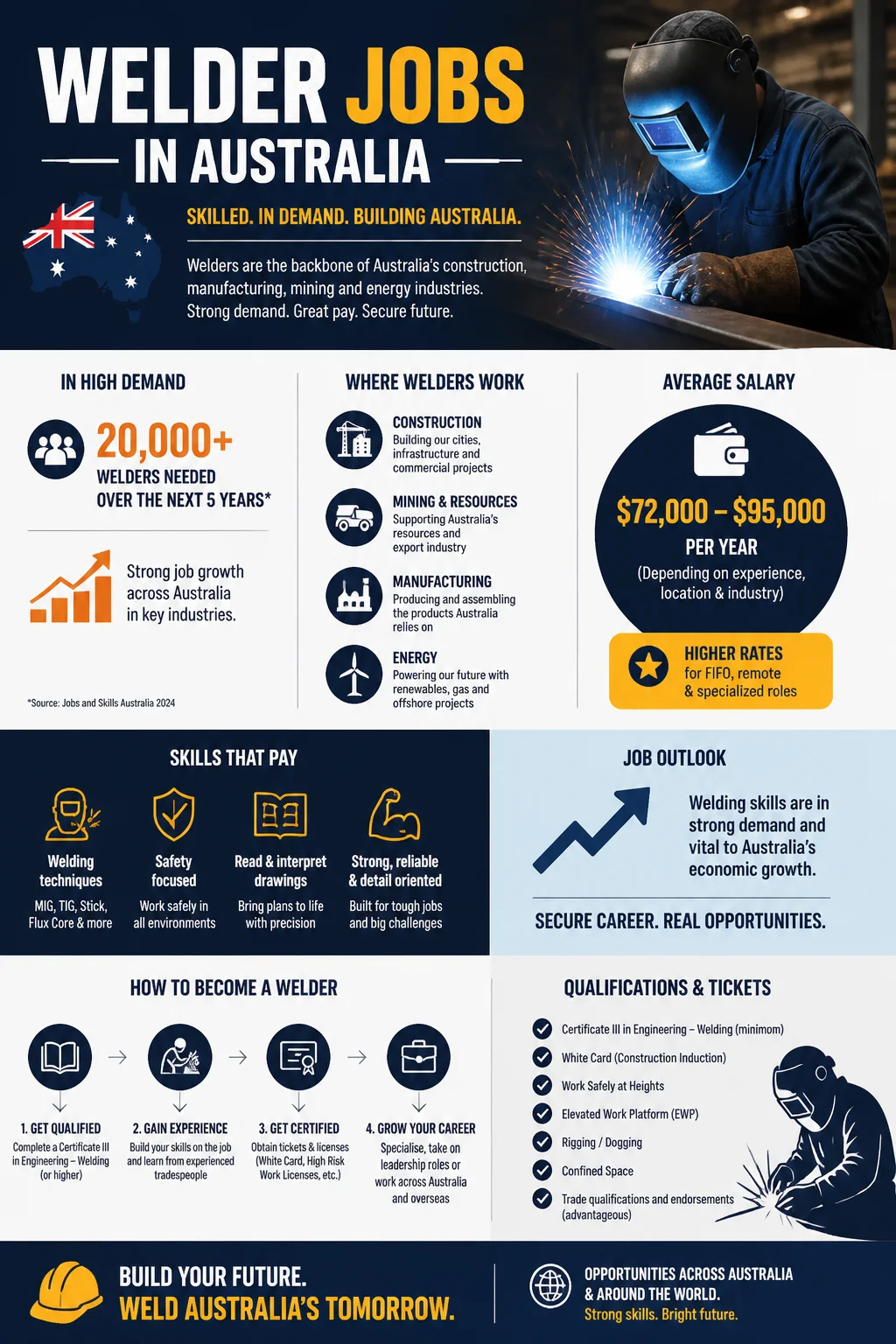
I've talked to mates who started at 65k then jumped to 110k after two years in the Pilbara. Big difference once you factor in living away from home.
- Entry level often starts lower in workshops
- Specialist TIG welders can charge more hourly
- Union sites add extra benefits you won't see on every ad
Not great when you chase cheap listings only to find travel eats half your extra cash.
Where the jobs actually pop up
Western Australia keeps hiring non stop for mining support. Queensland has plenty too especially around Gladstone and the coast projects. Melbourne and Sydney see more structural work but competition feels tougher there.
So if relocation is on the cards check the regional areas first. They often throw in accommodation or flights which changes everything for new starters.
Real talk though city jobs can suit if you prefer staying put with family. The trade off shows up in slightly lower base rates.
Skills and tickets you actually need
Most employers want AS 1796 or similar certs plus your basic safety tickets. Welding to code matters on big jobs but some smaller shops care more about speed and clean beads.
And experience with different materials helps a lot. Stainless and aluminium open extra doors that plain steel work doesn't touch.
Here's the thing - many places will train the right attitude even if your quals are a bit light. But don't count on that everywhere.
From what I've seen blokes who keep their tickets current and learn a couple processes get callbacks faster than the rest.
Finding gigs without the headaches
Seek and Indeed still bring in leads but the good ones go fast. Try industry Facebook groups or even local union halls for the unadvertised stuff.
Word of mouth beats everything else in this trade. If you know someone already on site ask them to put in a word.
Recruiters can help with FIFO roles but watch the fees and contract details. Some are solid others just push whatever they have on the books.
I've had better luck applying direct to fabrication shops than through third parties.
Visa stuff for overseas welders
If you're coming from overseas the 482 visa gets mentioned a lot for skilled trades. Employers need to sponsor though and not all will.
Permanent residency pathways exist after a few years on temporary visas but points and skills assessments add steps.
Honestly check the current lists because rules shift. What worked last year might have extra hurdles now.
One bloke I know waited six months for sponsorship then the site cut shifts. Always have a backup plan.
Local TAFE courses can help if you need to top up quals after arrival. They accept international students in many spots.
Daily life on the tools
Shifts run long in some places especially shutdown work. You might do ten or twelve hours then have days off in blocks.
Heat and confined spaces come with the job so fitness matters more than people admit. Bad backs end careers early here.
Protective gear has improved but you still feel it at the end of a week. Good boots and gloves save you money long term.
Breaks and site facilities vary wildly. Some camps are top notch others feel basic.
Family time gets tricky with the rosters but the money can make up for it if you plan well.
Common mistakes new welders make
Skipping safety briefings to save time. That catches up fast.
Underselling their experience on applications. Employers want proof not modesty.
Chasing every overtime hour without rest. Burnout hits harder than expected.
Not networking while the work is good. Dry spells come around.
Sticking only to one welding process when learning two or three pays off quicker.