

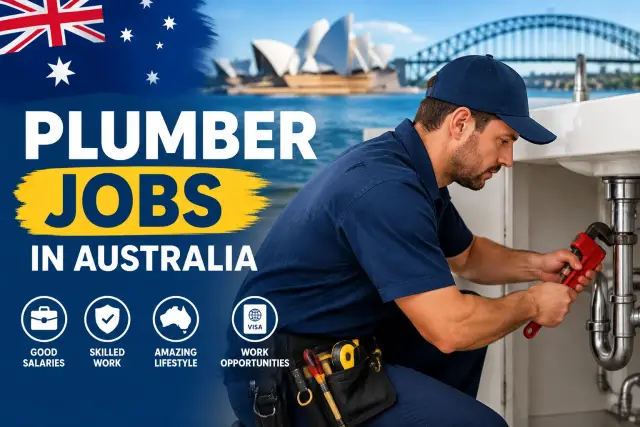
Plumber Jobs in Australia: A Practical Guide
Plumber jobs can offer a hands-on career, a variety of work and the chance to build skills that are useful just about everywhere. One day you might be fixing a leaking tap in a family home. The next, you could be installing pipework on a construction site or maintaining equipment at a hospital.
If you're looking for your first apprenticeship, a qualified plumbing job or a change of direction, it helps to know what employers want and where to look. Here's a straightforward guide to plumbing careers in Australia, including training, licences, pay and job-hunting tips.
What Does a Plumber Do?
Plumbers install, maintain and repair systems that carry water, gas and waste. The exact work depends on their training, licence and job. Some plumbers spend most of their time on residential call-outs, while others work on large commercial projects or specialist systems.
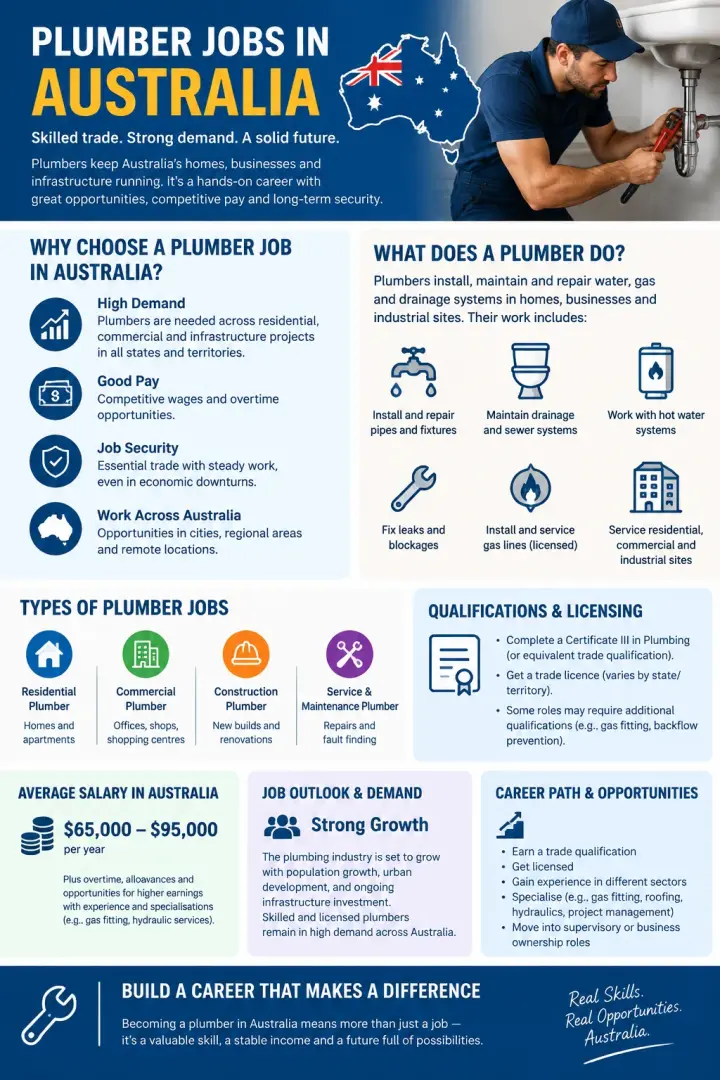
Common plumbing tasks include:
- Installing and repairing water pipes, taps, toilets and hot water systems
- Finding and fixing leaks, blocked drains and damaged pipework
- Reading plans and measuring spaces for new installations
- Installing drainage, roofing or gas systems where appropriately qualified and authorised
- Maintaining plumbing systems in homes, shops, factories and public buildings
- Testing completed work and following safety and compliance requirements
- Explaining problems and repair options to customers
It's physical work. You may be lifting materials, working outdoors, getting into tight spaces or dealing with weather delays. But if you like solving practical problems and don't want to sit at a desk all day, that variety can be appealing.
Types of Plumber Jobs in Australia
Plumbing isn't just one job with one career path. These are some of the roles you'll see advertised.
Residential plumber
Residential plumbers work in houses, apartments and other homes. Jobs can range from bathroom renovations and new builds to emergency leaks and blocked drains. Good communication matters because you'll often deal directly with homeowners or tenants.
Commercial plumber
Commercial plumbing jobs may involve offices, shopping centres, schools, hospitals and other large buildings. Projects can be more complex than residential work, with bigger teams, detailed plans and stricter site procedures.
Maintenance plumber
Maintenance plumbers service and repair existing systems. Some work for plumbing companies that handle call-outs, while others are employed by facilities managers, local councils or large organisations. Depending on the job, there may be an on-call roster for urgent repairs.
Construction plumber
Construction plumbers install systems on new builds and major renovations. They work alongside builders, electricians and other trades, often to tight schedules. If you enjoy seeing a project come together over time, this could be a good fit.
Drainage and gas fitting roles
Some workers specialise in drainage, while others train and seek authorisation for gas fitting. These areas have their own competency and licensing requirements, which vary by state or territory. Don't assume a general plumbing qualification automatically permits every type of gas or drainage work.
Plumbing apprentice
An apprentice learns the trade while working under appropriate supervision and completing formal training. Apprenticeships are a common starting point for people entering the industry, including school leavers and mature-age career changers.
How to Become a Plumber in Australia
The usual path is to complete a plumbing apprenticeship, undertake the required vocational training and meet the licensing or registration requirements in the state or territory where you want to work. The details can vary, so check with the relevant regulator before making plans.
1. Find an apprenticeship
Look for opportunities with plumbing businesses, construction companies and group training organisations. Apprenticeships commonly take around four years, although the actual duration can depend on the arrangement and your progress.
You don't necessarily need to know everything about plumbing before you apply. Employers often look for reliability, a willingness to learn, practical interest and an understanding of what's involved in the work.
2. Complete your training
Apprentices typically combine paid, supervised work with formal training, often towards the Certificate III in Plumbing. Training covers practical skills, safety and the technical knowledge needed for the trade. A registered training organisation, such as a TAFE, can explain its entry requirements and course structure.
Pre-apprenticeship or introductory courses may help you explore the trade and prepare for applications. They're not necessarily a substitute for an apprenticeship or the qualifications needed for registration or licensing.
3. Check registration and licensing requirements
Plumbing is regulated in Australia, but the rules aren't identical across the country. Depending on the location and type of work, you may need to be registered, licensed or supervised. Separate requirements can apply to specialist work, contracting or running a plumbing business.
Before accepting work or moving interstate, check the current rules with the plumbing regulator in that state or territory. Ask about the specific class of work you're allowed to perform and whether any additional assessment or application is required.
Plumber Salary in Australia
Plumber pay varies quite a bit. Your experience, location, licence, employer and type of work all matter. Overtime, weekend shifts, emergency call-outs and remote work can also change what you earn.
As a rough guide, many full-time qualified plumber jobs advertise salaries around $80,000 to $120,000 a year, although some roles pay less or more. Advertised figures aren't always directly comparable: one job may quote a base salary, while another includes allowances, overtime or superannuation.
Apprentices generally earn less than qualified plumbers, and their pay depends on factors such as their year of apprenticeship, age and the applicable award or agreement. Employers may also provide a vehicle, phone, uniform or tool allowance, but benefits vary.
Honestly, it's worth looking beyond the headline number. Ask what the normal hours are, whether overtime is guaranteed, how on-call work is paid and whether superannuation is included in the advertised package. For current minimum pay and workplace entitlements, check the Fair Work Ombudsman and the award or agreement that applies to the role.
Where to Find Plumbing Jobs
Plumbing jobs are advertised across metropolitan, regional and remote Australia. You can search national job boards, local classifieds, employer websites and apprenticeship platforms. Recruitment agencies that specialise in trades and construction can also be useful.
Try searching with a few different terms rather than just 'plumber jobs'. For example:
- Plumbing apprenticeship near me
- Qualified plumber jobs in Sydney
- Maintenance plumber jobs in Melbourne
- Commercial plumber jobs in Brisbane
- Plumber FIFO jobs in Western Australia
- Drainage jobs in Adelaide
- Plumbing jobs with visa sponsorship in Australia
Change the location and specialisation to match what you want. Local plumbing businesses may also accept direct applications, even when they aren't advertising. A short, polite email with your resume and availability is a reasonable place to start.
For FIFO and remote roles, read the roster and travel arrangements carefully. A higher advertised rate may come with extended time away from home, different accommodation arrangements or specific site-entry requirements.
Skills and Requirements Employers Look For
Requirements vary from job to job, but Australian plumbing employers commonly look for a mix of technical skills, safety awareness and reliability.
- Relevant qualification and authorisation: Qualified roles may require a plumbing qualification and the appropriate state or territory registration or licence.
- Practical problem-solving: Finding the cause of a leak or blockage isn't always as simple as it looks.
- Safety awareness: Employers want people who follow procedures and know when to ask for help.
- Communication: You'll need to work with other trades and, in many roles, explain work to customers.
- Physical capability: The job can involve lifting, bending, climbing and working in confined spaces.
- Driver's licence: Many employers ask for a current licence because plumbers travel between sites or drive work vehicles.
- Construction induction: A White Card is commonly required for construction site work.
Some jobs may require additional training, such as working at heights, confined spaces or site-specific safety inductions. Others might ask for a police check or the right to work in Australia. Check each advertisement rather than assuming every job has the same requirements.
How to Apply for Plumber Jobs
A good application makes it easy for an employer to see what you can do and whether you're ready to start. Keep your resume clear, relevant and up to date.
For qualified plumbers
List your qualifications, licence or registration details, relevant experience and the types of systems you've worked on. If you've done maintenance call-outs, commercial fit-outs or new residential builds, say so. Include any relevant tickets, your driver's licence status and whether you're available for overtime or travel.
Where possible, describe the work rather than relying on a job title alone. 'Completed residential maintenance and hot water system replacements' tells an employer more than simply listing 'plumber'. Don't claim experience or authorisations you don't have.
For apprentices and career changers
You may not have trade experience yet, and that's okay. Include school, training, work experience and any practical projects that show your interest. Part-time jobs can demonstrate useful habits such as turning up on time, working with a team and dealing with customers.
A brief cover letter can help explain why you want to become a plumber and what you've done to learn about the trade. If you're a mature-age applicant, mention transferable skills from previous work, especially safety, problem-solving or customer service.
Questions to Ask Before Accepting a Job
A plumbing job can look great in an advertisement, but the details matter. Before you accept, consider asking:
- What type of plumbing work will I do most often?
- What are the usual hours, and is there an on-call roster?
- Is the advertised pay a base rate or a package including superannuation and allowances?
- How are overtime, travel and emergency call-outs paid?
- Will the company provide a vehicle, tools, uniform or phone?
- What training, supervision and safety equipment are provided?
- For apprentices, how will formal training and time at the training provider be arranged?
It's also sensible to confirm the employment type. A full-time employee, casual employee and independent contractor can have different pay arrangements, responsibilities and entitlements.
Can Overseas Plumbers Work in Australia?
Overseas-trained plumbers may be able to work in Australia, but the process depends on their circumstances. You need the right to work, and overseas qualifications or experience don't automatically give you permission to carry out licensed plumbing work.
You may need a skills assessment, additional training or an assessment by the relevant state or territory regulator. Visa requirements are separate from occupational licensing requirements. Some employers advertise sponsorship, but eligibility and sponsorship aren't guaranteed.
Before paying for a course, assessment or migration service, check current information with the Australian Department of Home Affairs, the relevant skills-assessing authority and the plumbing regulator where you intend to work.
Is a Plumbing Career Right for You?
Plumbing can suit people who enjoy practical work, don't mind getting their hands dirty and like figuring out how things work. It also offers different directions as you gain experience, from maintenance and construction to specialist work or eventually running a business.
On the other hand, early starts, physical demands, urgent call-outs and changing weather won't appeal to everyone. If you're unsure, talk to local plumbers or training providers and look for work experience where possible. Getting a feel for the day-to-day job is one of the best ways to decide whether it's right for you.
Frequently Asked Questions About Plumber Jobs
Do I need a licence to work as a plumber in Australia?
Plumbing work is regulated, and licensing, registration and supervision requirements depend on the state or territory and the work being performed. Check with the local regulator before starting work, particularly if you're moving from interstate or overseas.
Can I become a plumber without experience?
Yes. An apprenticeship is designed to help you learn while you work. You'll still need to find an employer, meet the applicable entry requirements and complete the required training.
How long does a plumbing apprenticeship take?
A plumbing apprenticeship commonly takes around four years. The actual time can vary depending on the training contract, your progress and local arrangements.
Are there plumbing jobs outside major cities?
Yes. Plumbing businesses, construction projects, councils and facilities in regional and remote areas also hire plumbing workers. Job availability and conditions vary by location, so search locally and speak with employers about travel or relocation requirements.