
Company
J.B. Hunt Drivers
Location
Chicago, IL
Job type
Full-time
Posted
4 days ago
Via
via Drive J.B. Hunt
Apply on
Job description
Looking for regional truck driving jobs? J.B. Hunt is hiring intermodal truck drivers! Drive with J.B. Hunt Intermodal and enjoy express access railyard gates, onsite maintenance and 100% company-owned equipment.
This position is an activity-based pay plan that encourages safety, efficiency and a strong work ethic. Drivers are averaging $86,000 a year on this driving job.
Job Details:
- $0.64-$0.69 per mile*
- Detention pay: $20-$25 per hour after the first hour
- Drop and hook pay: $35 per stop
- Live load/unload: $65 per stop
- Live lifts pay: $20 if longer than 1 hour
- Layover pay: $20 per hour up to 5 hours
- Hazmat: $25 per load
- Refrigerated: $30 per load
- Crosstown moves: $25-$60 per load
- Reefer crosstown/empty moves: $30 per load
- Driver assist: $25 per load
- Empty move: $15 per load
- Truck detailing: $50 flat rate
- Mechanical breakdown: $20 per hour up to 5 hours
- Rail delays: $20 per hour after the first hour
- Refused delivery: $40 per load
- Truck order not used: $20
- Yard work: $20 per hour
- Chassis flips: $20 per hour
- Spotting work: $5 per move
- Excessive dunnage: $15 flat rate
- Recovery event: $25 per hour
- Midwest surcharge: $50 flat rate
- Weekend bonus: $150 per week
- Safety training and mandatory meeting pay: $22 per hour
- New hire training pay: $250 per day
- Holiday pay: $210 per day
- Weekly home time
- Majority no touch freight
- Onsite management
- Paid online orientation
Driver Benefits:
- PTO accrues from day one
- 401(k) with company match
- Eligible for medical, dental and vision coverage after just 30 days
- Access to life insurance options
- Access to mental health and disability benefits
- And so much more!
In addition to all these benefits, J.B. Hunt company drivers enjoy a culture of safety that is dedicated to recognizing and rewarding safe drivers. Don’t wait – join North America’s largest intermodal provider today!
J.B. Hunt accepts pre-qualification forms on an ongoing basis. EOE including disability/veterans. Program details apply. In addition to the number of activities completed, factors which may affect annualized earnings include training completed, paid breaks, endorsements, tenure, equipment type and number of days worked each week. This position may be eligible for safety bonuses and incentives based on profitability or performance, as applicable.
J.B. Hunt offers the following benefits for full-time positions, subject to applicable eligibility requirements, as may be in effect from time to time: medical benefit, dental benefit, vision benefit, 401(k) retirement plan, life insurance, short-term and long-term disability coverage, paid time off commensurate with tenure (includes vacation and sick time), two weeks of paid parental leave, and six days with holiday pay.
Frequently asked questions
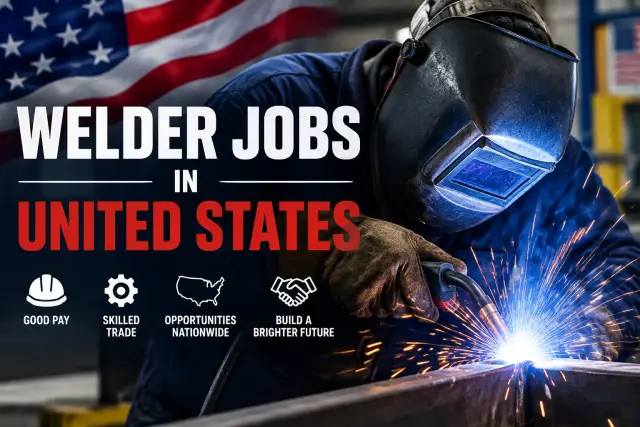
Quick answers about Welder Jobs
Q
How much does a welder have to be paid in 2026?
The federal minimum wage is $7.25 per hour, although many states and localities require a higher minimum. Actual welder pay varies by employer, location, experience and type of work.
Source: U.S. Department of Labor
Q
Do welders get overtime pay?
Most nonexempt employees must receive at least 1.5 times their regular pay rate for hours worked over 40 in a workweek. For example, a welder earning $20 per hour would generally receive at least $30 per overtime hour.
Source: U.S. Department of Labor
Q
What education do I need to become a welder?
Welders typically need a high school diploma or equivalent, along with technical and on-the-job training. When researching the occupation, you can find it under Standard Occupational Classification code 51-4121.
Source: U.S. Bureau of Labor Statistics
Q
How long does a welding apprenticeship take?
A time-based registered apprenticeship must include at least 2,000 hours of on-the-job learning. Federal rules also recommend at least 144 hours of related instruction per year, though individual programs can set their own schedules and requirements.
Source: Electronic Code of Federal Regulations