
Company
Superior Skilled Trades
Location
Philadelphia, PA
Job type
Full-time
Salary
38–42 an hour
Posted
5 days ago
Via
via Indeed
Apply on
Job description
Job description
Pipe Welder – ASME B31.1 (Medical / Research Facility)
Superior Skilled Trades is seeking Pipe Welders for a long-term project at a medical/research facility. 1+ year project, steady hours, clean environment, and $100/day per diem!
PAY:
- $38.00–$42.00/hour (based upon experience) + $150 p/diem p/day
HOURS:
- Expected shifts will be 8-hour days starting at 7:00 AM
Frequently asked questions
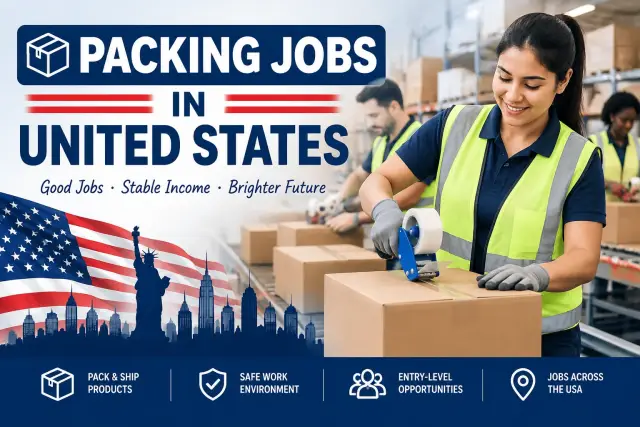
Quick answers about Packing Jobs
Q
How much do packing jobs pay per hour in 2026?
Pay varies by employer, location and duties. In 2026, the federal minimum wage is $7.25 per hour for covered, nonexempt workers, but a higher state or local minimum may apply.
Source: U.S. Department of Labor
Q
Do packing workers get overtime pay?
Covered, nonexempt packing workers generally must receive at least 1.5 times their regular rate for hours over 40 in a workweek. For example, a worker with a regular rate of $10 per hour would generally earn at least $15 per overtime hour.
Source: U.S. Department of Labor
Q
Are breaks paid in a packing job?
Federal law does not require employers to provide meal or rest breaks. If an employer offers short breaks of approximately 5 to 20 minutes, those breaks generally count as paid work time; bona fide meal periods of at least 30 minutes generally do not.
Source: U.S. Department of Labor
Q
Can a 16-year-old work in a packing job?
A 16-year-old may work in many nonagricultural packing jobs, provided the duties are not prohibited as hazardous for minors. Federal law does not limit the hours worked by 16- and 17-year-olds in nonagricultural jobs, although state rules may be more protective.
Source: U.S. Department of Labor