
Company
Prime Home Cleaning
Location
Los Angeles, CA
Posted
3 days ago
Via
via BeBee
Apply on
Job description
Job description
Job Overview
Paid Per Job
Join our dynamic team as a Residential Cleaner with a flexible schedule that adapts to your lifestyle! In this energetic role, you will be responsible for transforming homes into spotless, comfortable spaces. Your enthusiasm for cleanliness and attention to detail will ensure each residence gleams with freshness and order.
Frequently asked questions
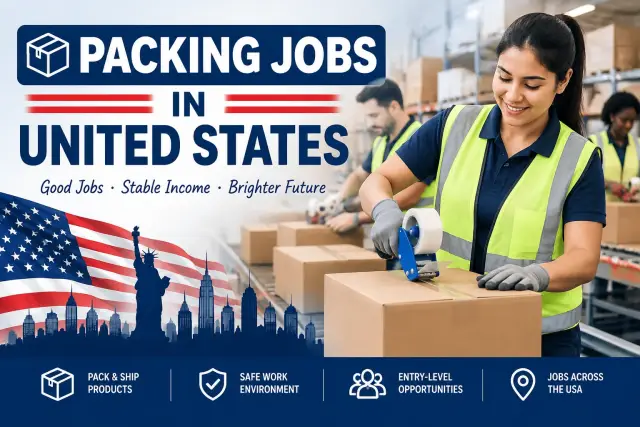
Quick answers about Packing Jobs
Q
How much do packing jobs pay per hour in 2026?
Pay varies by employer, location and duties. In 2026, the federal minimum wage is $7.25 per hour for covered, nonexempt workers, but a higher state or local minimum may apply.
Source: U.S. Department of Labor
Q
Do packing workers get overtime pay?
Covered, nonexempt packing workers generally must receive at least 1.5 times their regular rate for hours over 40 in a workweek. For example, a worker with a regular rate of $10 per hour would generally earn at least $15 per overtime hour.
Source: U.S. Department of Labor
Q
Are breaks paid in a packing job?
Federal law does not require employers to provide meal or rest breaks. If an employer offers short breaks of approximately 5 to 20 minutes, those breaks generally count as paid work time; bona fide meal periods of at least 30 minutes generally do not.
Source: U.S. Department of Labor
Q
Can a 16-year-old work in a packing job?
A 16-year-old may work in many nonagricultural packing jobs, provided the duties are not prohibited as hazardous for minors. Federal law does not limit the hours worked by 16- and 17-year-olds in nonagricultural jobs, although state rules may be more protective.
Source: U.S. Department of Labor