
Company
J.B. Hunt Drivers
Location
Chicago, IL
Job type
Full-time
Posted
4 days ago
Via
via Drive J.B. Hunt
Apply on
Job description
Are you a recent CDL-A graduate and looking to gain experience with an industry leader? J.B. Hunt is hiring recent CDL-A graduates for our entry-level program.
Drivers will train with a J.B. Hunt driver trainer for six weeks before transitioning to solo driving after completion of training. Drivers are averaging $86,000 a year.
Job Details:
- $0.64-$0.69 per mile*
- Detention pay: $20-$25 per hour after the first hour
- Drop and hook pay: $35 per stop
- Live load/unload: $65 per stop
- Live lifts pay: $20 if longer than 1 hour
- Layover pay: $20 per hour up to 5 hours
- Hazmat: $25 per load
- Refrigerated: $30 per load
- Crosstown moves: $25-$60 per load
- Reefer crosstown/empty moves: $30 per load
- Driver assist: $25 per load
- Empty move: $15 per load
- Truck detailing: $50 flat rate
- Mechanical breakdown: $20 per hour up to 5 hours
- Rail delays: $20 per hour after the first hour
- Refused delivery: $40 per load
- Truck order not used: $20
- Yard work: $20 per hour
- Chassis flips: $20 per hour
- Spotting work: $5 per move
- Excessive dunnage: $15 flat rate
- Recovery event: $25 per hour
- Midwest surcharge: $50 flat rate
- Weekend bonus: $150 per week
- Safety training and mandatory meeting pay: $22 per hour
- New hire training pay: $250 per day
- Holiday pay: $190 per day
- Weekly home time
- Majority no touch freight
- Onsite management
- Paid online orientation
Driver Benefits:
- PTO accrues from day one
- 401(k) with company match
- Eligible for medical, dental and vision coverage after just 30 days
- Access to life insurance options
- Access to mental health and disability benefits
- And so much more!
In addition to all these benefits, J.B. Hunt company drivers enjoy a culture of safety that is dedicated to recognizing and rewarding safe drivers. Don’t wait – join North America’s largest intermodal provider today!
J.B. Hunt accepts pre-qualification forms on an ongoing basis. EOE including disability/veterans. Program details apply. In addition to the number of activities completed, factors which may affect annualized earnings include training completed, paid breaks, endorsements, tenure, equipment type and number of days worked each week. This position may be eligible for safety bonuses and incentives based on profitability or performance, as applicable.
J.B. Hunt offers the following benefits for full-time positions, subject to applicable eligibility requirements, as may be in effect from time to time: medical benefit, dental benefit, vision benefit, 401(k) retirement plan, life insurance, short-term and long-term disability coverage, paid time off commensurate with tenure (includes vacation and sick time), two weeks of paid parental leave, and six days with holiday pay.
Frequently asked questions
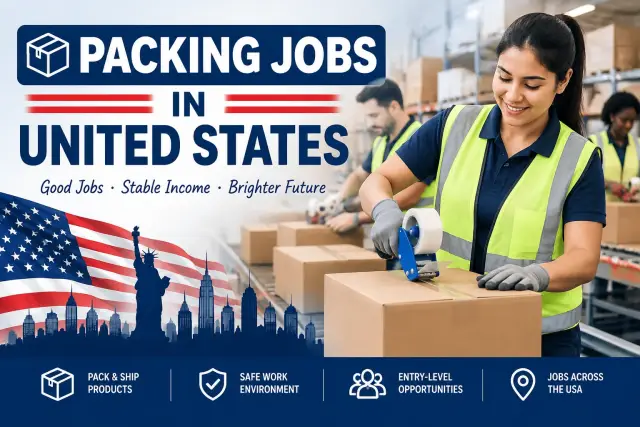
Quick answers about Packing Jobs
Q
How much do packing jobs pay per hour in 2026?
Pay varies by employer, location and duties. In 2026, the federal minimum wage is $7.25 per hour for covered, nonexempt workers, but a higher state or local minimum may apply.
Source: U.S. Department of Labor
Q
Do packing workers get overtime pay?
Covered, nonexempt packing workers generally must receive at least 1.5 times their regular rate for hours over 40 in a workweek. For example, a worker with a regular rate of $10 per hour would generally earn at least $15 per overtime hour.
Source: U.S. Department of Labor
Q
Are breaks paid in a packing job?
Federal law does not require employers to provide meal or rest breaks. If an employer offers short breaks of approximately 5 to 20 minutes, those breaks generally count as paid work time; bona fide meal periods of at least 30 minutes generally do not.
Source: U.S. Department of Labor
Q
Can a 16-year-old work in a packing job?
A 16-year-old may work in many nonagricultural packing jobs, provided the duties are not prohibited as hazardous for minors. Federal law does not limit the hours worked by 16- and 17-year-olds in nonagricultural jobs, although state rules may be more protective.
Source: U.S. Department of Labor