
Company
The Rabbit Hole Astoria
Location
Long Island City, NY
Job type
Full-time
Posted
3 days ago
Via
via Culinary Agents
Apply on
Job description
- Pay: $20–$25/hour (based on experience)
- Salary possibly
- Weekly pay
- Food Protection Certificate preferred
Bar kitchen. Low-volume food program.
Burgers, wings, nachos, steaks.
Some shifts solo, busier days you’ll work with other cooks.
Event days and weekends required.
No dishwasher — on staff.
Looking for someone reliable, organized, and independent.
Frequently asked questions
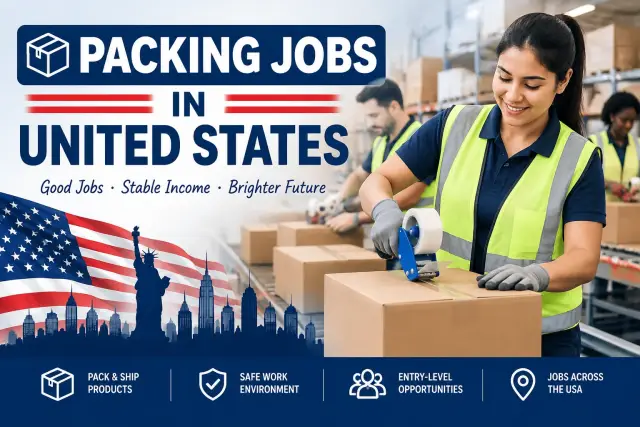
Quick answers about Packing Jobs
Q
How much do packing jobs pay per hour in 2026?
Pay varies by employer, location and duties. In 2026, the federal minimum wage is $7.25 per hour for covered, nonexempt workers, but a higher state or local minimum may apply.
Source: U.S. Department of Labor
Q
Do packing workers get overtime pay?
Covered, nonexempt packing workers generally must receive at least 1.5 times their regular rate for hours over 40 in a workweek. For example, a worker with a regular rate of $10 per hour would generally earn at least $15 per overtime hour.
Source: U.S. Department of Labor
Q
Are breaks paid in a packing job?
Federal law does not require employers to provide meal or rest breaks. If an employer offers short breaks of approximately 5 to 20 minutes, those breaks generally count as paid work time; bona fide meal periods of at least 30 minutes generally do not.
Source: U.S. Department of Labor
Q
Can a 16-year-old work in a packing job?
A 16-year-old may work in many nonagricultural packing jobs, provided the duties are not prohibited as hazardous for minors. Federal law does not limit the hours worked by 16- and 17-year-olds in nonagricultural jobs, although state rules may be more protective.
Source: U.S. Department of Labor